


Environmental
Social
Governance
We are passionate about supporting the environment and our local communities.





Our Commitment
Happy Days is committed to Environmental, Social, and Governance (ESG) best practices. ESG is a framework that considers a company’s impact on the world around it. This includes its environmental stewardship, its social responsibility towards employees and the community, and the transparency and accountability of its leadership.
By focusing on ESG, Happy Days strives to create a positive impact for our children, the environment, and the community we serve.

Childrens Hospice
South West
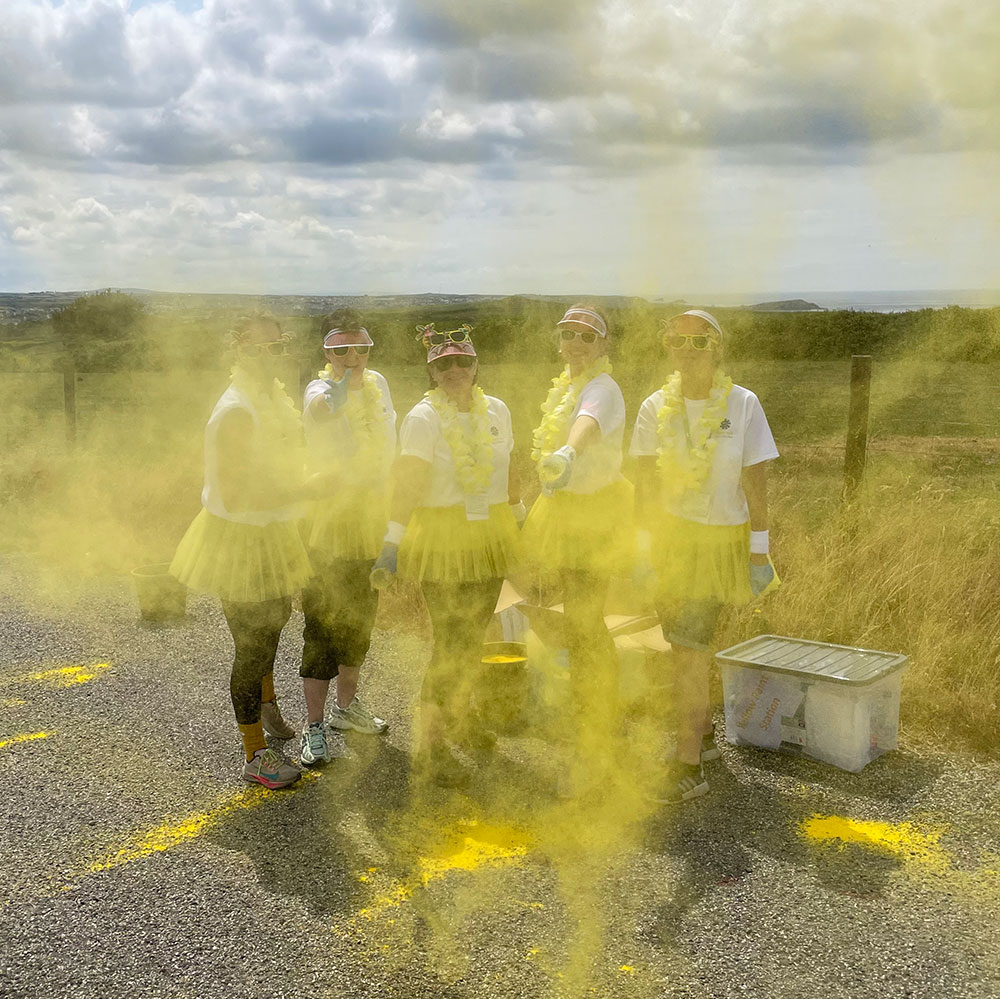
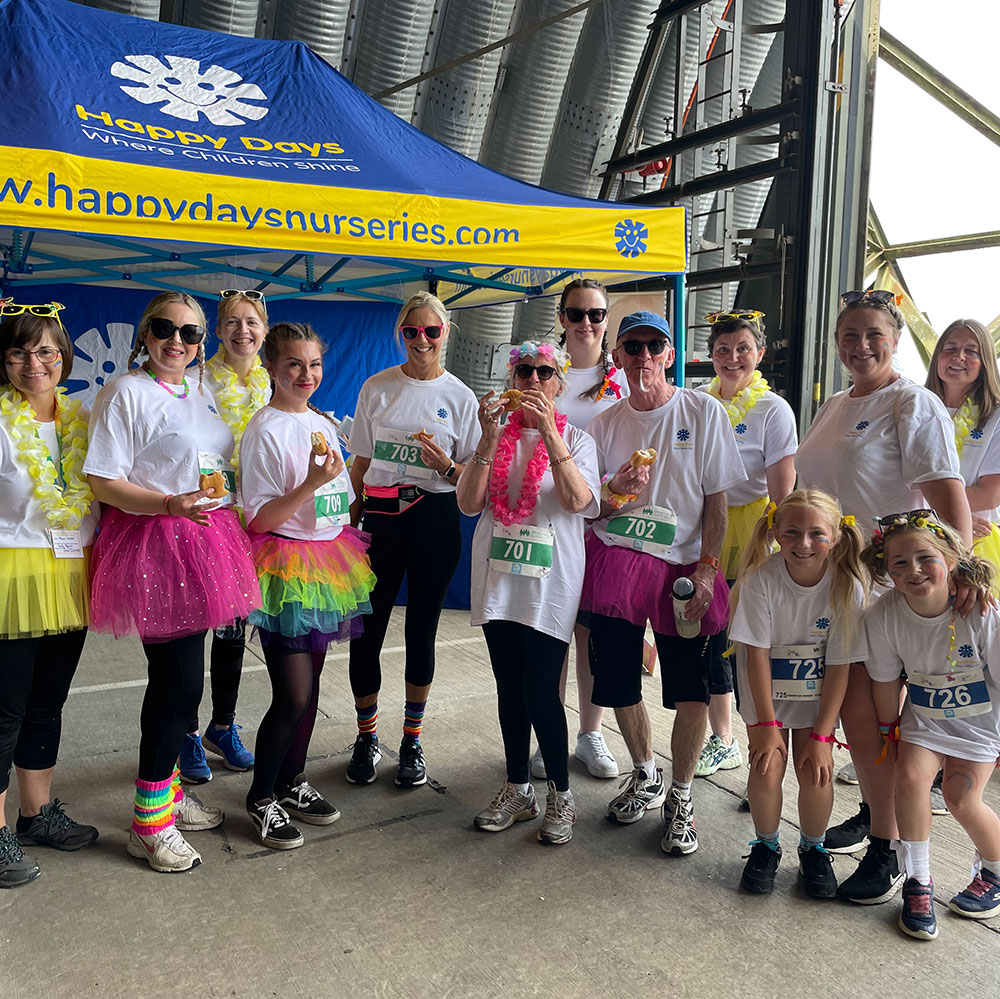
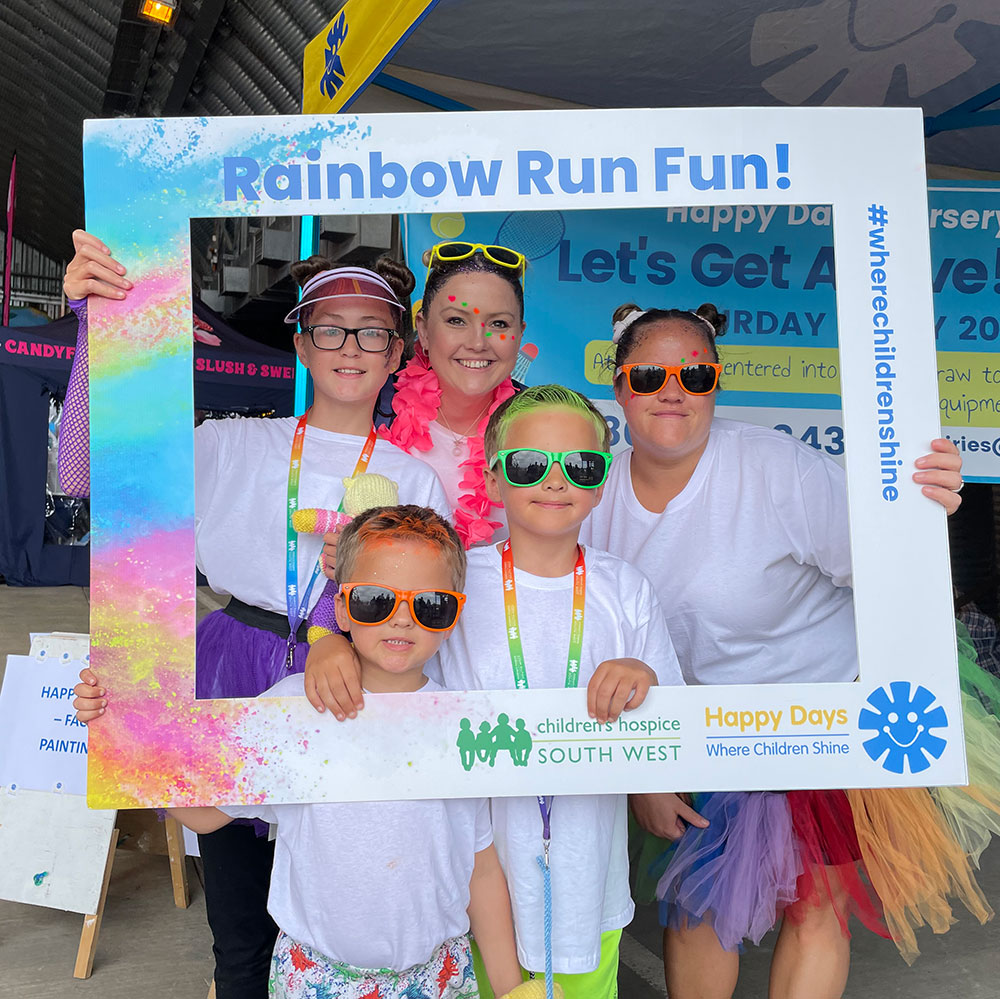
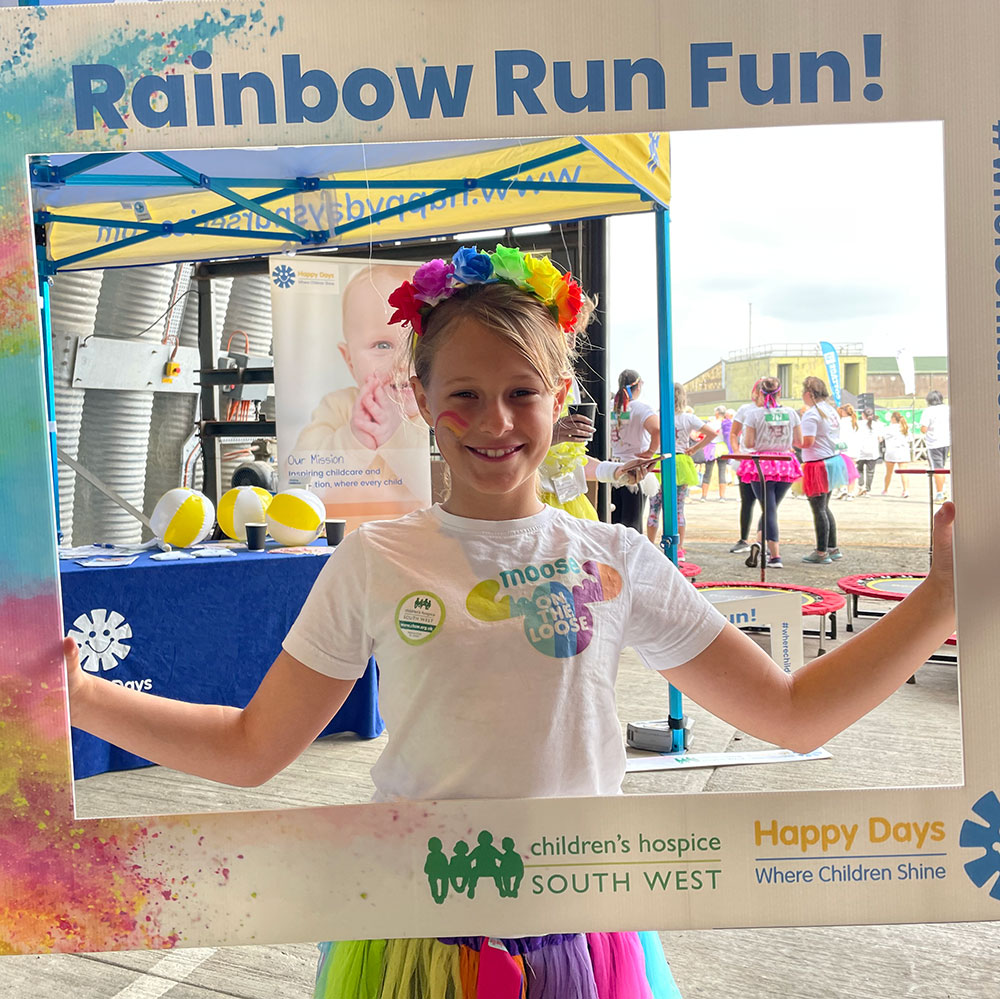
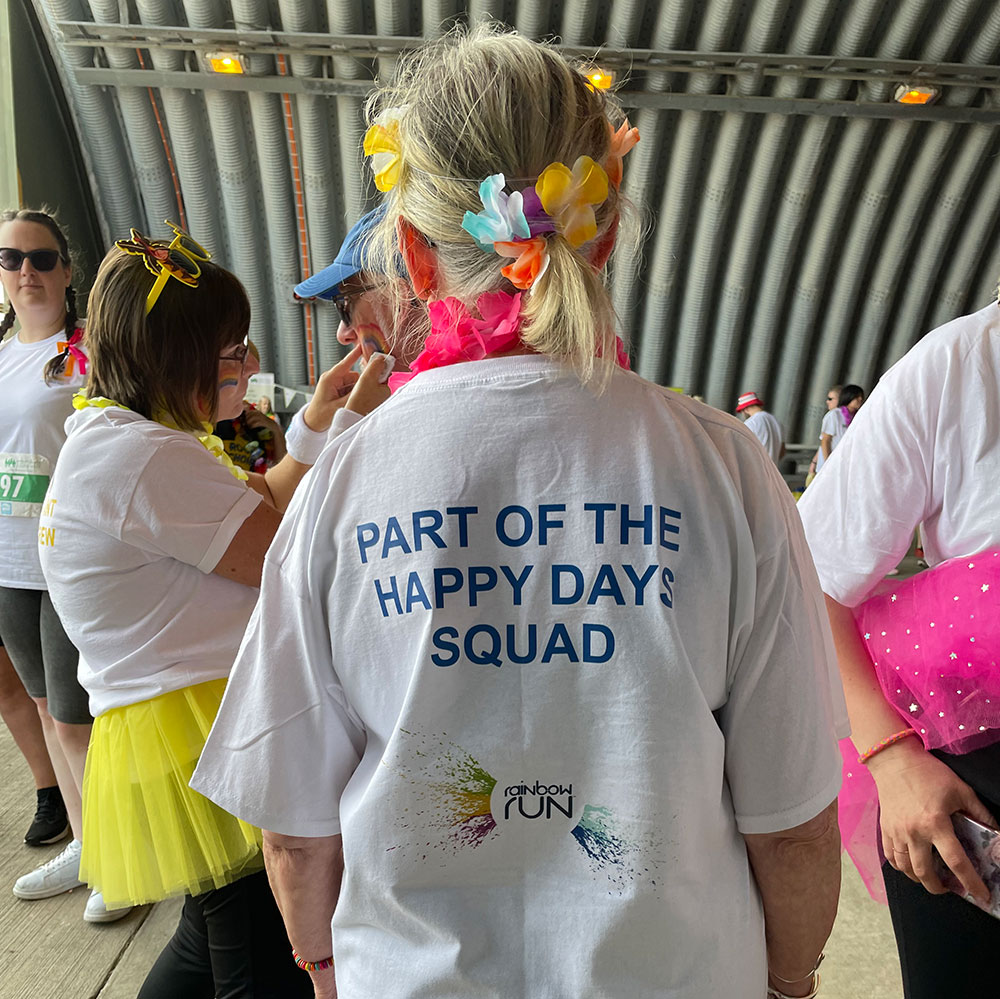
We are proud to support Children’s Hospice South West through fundraising events and community initiatives. Our children, families, and staff work together to raise awareness and contribute to meaningful causes, helping to make a difference to children with life-limiting conditions and their families. This supports the development of empathy, kindness, and social responsibility within our nursery community.
For more information on Children’s Hospice South West visit: chsw.org.uk



Eco-Schools Green Flag Award
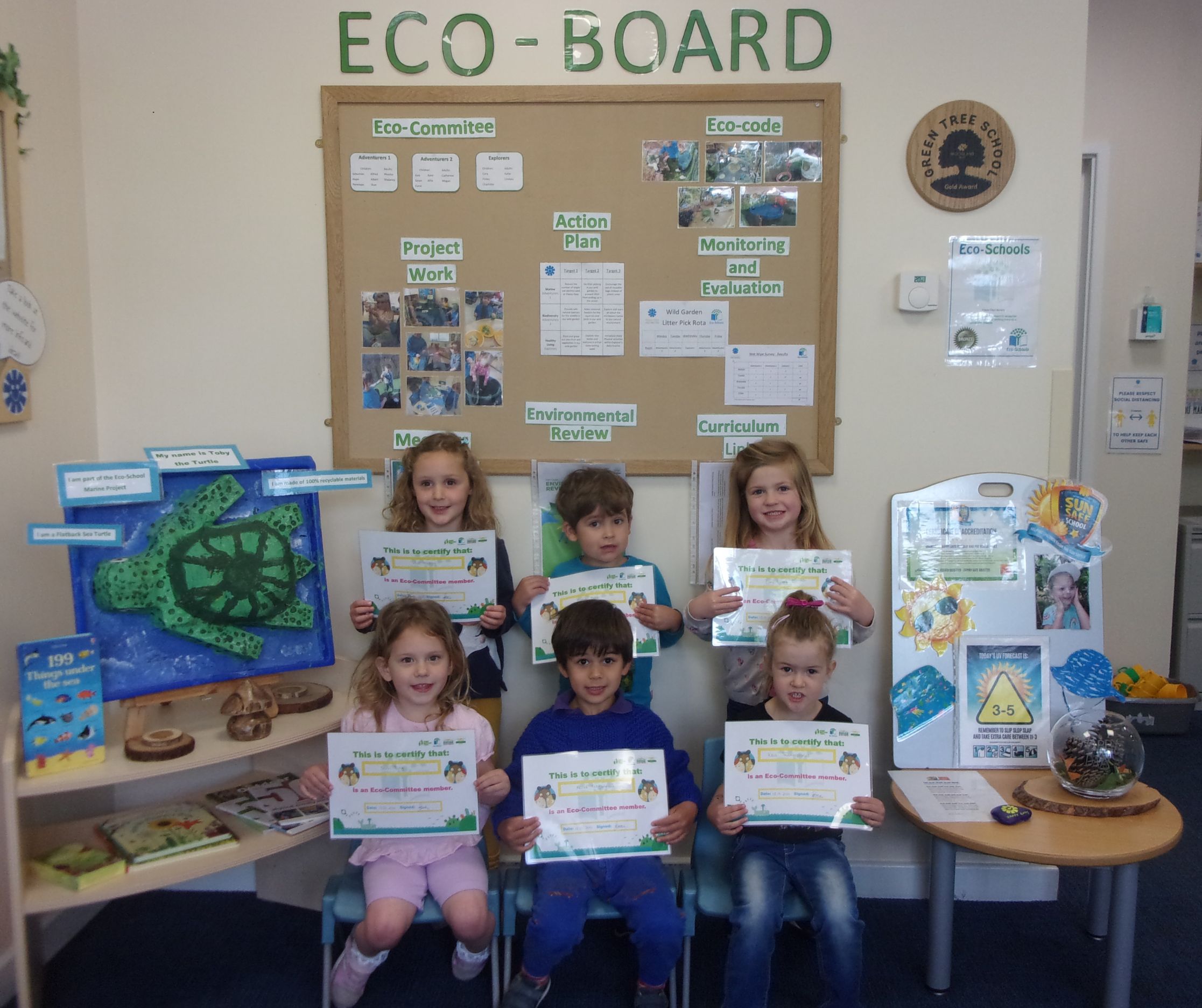
We actively work towards the Eco-Schools Green Flag Award, a globally recognised accreditation for environmental education. Through a hands-on, child-led approach, children learn about sustainability, develop eco-friendly habits, and play an active role in caring for the environment.

Woodland Trust Green Schools Award
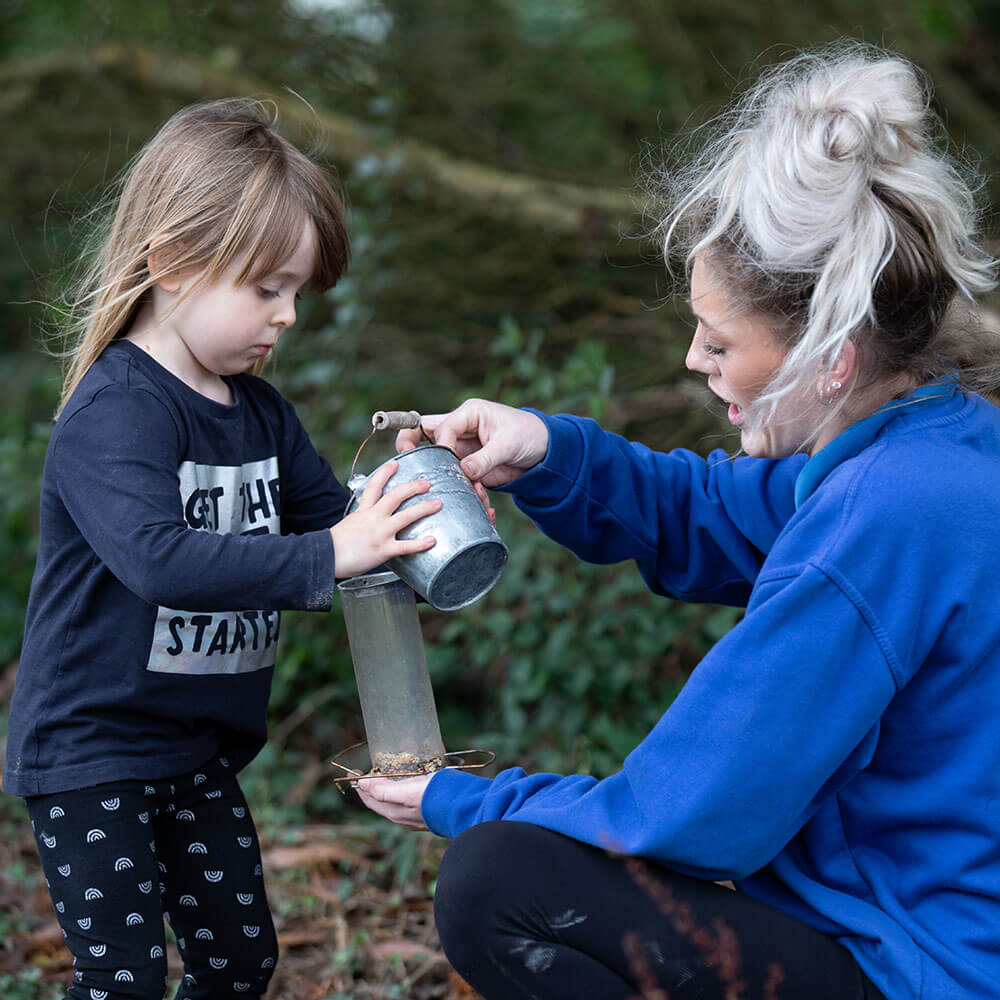
Our participation in the Woodland Trust Green Schools Award encourages children to explore nature and understand the importance of trees, wildlife, and conservation. Through outdoor learning and environmental projects, children develop a lifelong respect for the natural world.
Carbon Offsetting
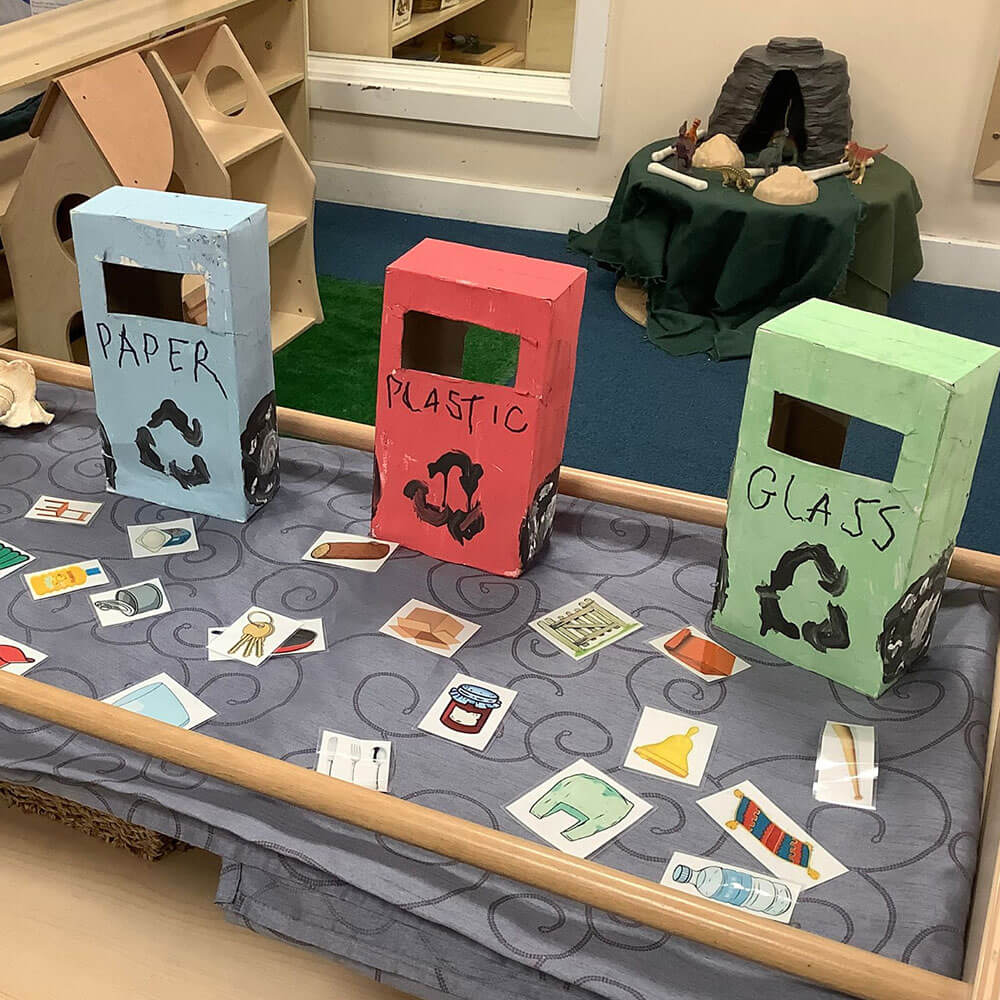
We work in partnership with 1st Waste to minimise our contributions to landfill and to calculate the carbon created from our generated waste and recycling, alongside our offsetting activities such as tree planting and wind turbine energy projects.
Between March 2026 and March 2027, we will aim to reduce our emissions by 200.46 tonnes by balancing our greenhouse gas emissions associated with our waste services through changes to our internal practices and carbon offsetting.
Through this scheme, we are already seeing a remarkable difference; we were able to reduce landfill to 0.086 tonnes out of 10.230 tonnes in April alone!
To find out more, click here: https://www.1stwaste.co.uk/about-1stwaste-management.php
Our Buildings
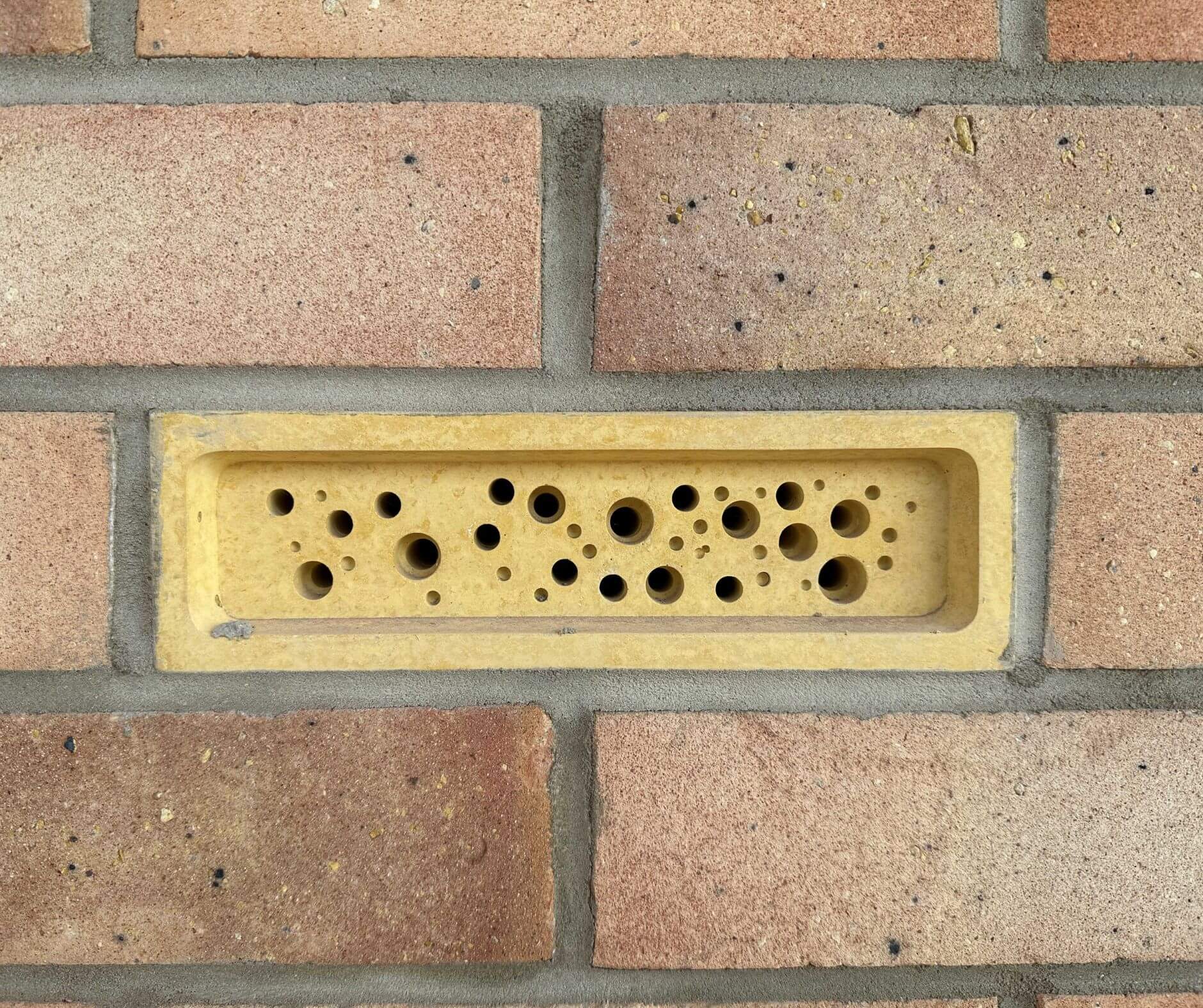
Our nursery buildings are designed with sustainability and biodiversity in mind. Features such as energy-efficient design principles and environmentally considerate materials help to reduce our impact. Initiatives like the inclusion of bee bricks provide vital habitats for wildlife, supporting local ecosystems.
A Bee Brick is designed to give nature a home within new developments. Used in place of a standard house brick or block, it creates nesting space for solitary bees within the framework of the building.
BREEAM (Building Research Establishment Environmental Assessment Methodology)
BREEAM is s non-mandatory certification required by some local planning authorities for certain types of developments.
A BREEAM assessment uses recognised measures of performance, which are set against established benchmarks, to evaluate a building’s specification, design construction and use. The measures used represent a broad range of categories and criteria from energy to ecology. Each category focuses on the most influential factors, including reduced carbon emissions, low impact design, adaptation to climate change, ecological value and biodiversity protection.
Happy Days has achieved 2 BREEAM certified settings, Poole and Yate.
Outdoor Environments
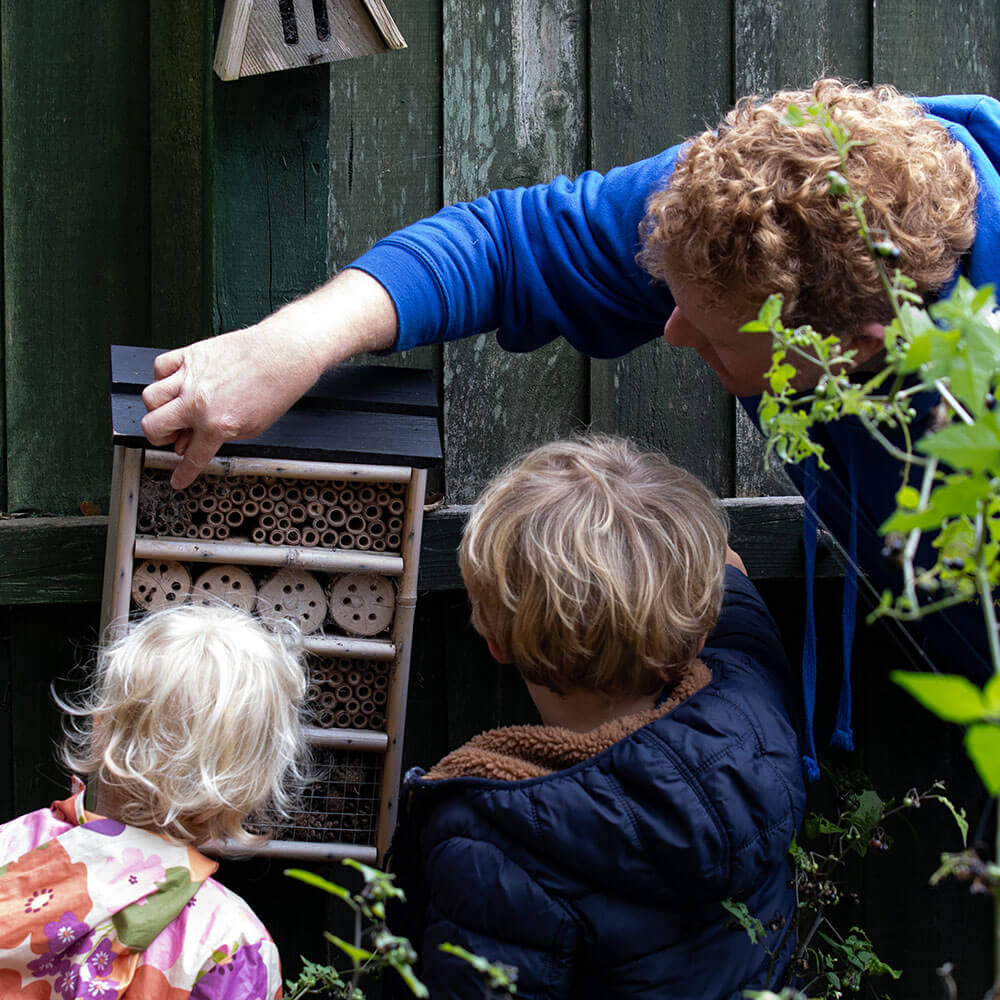
Children are a vital part of the practising of sustainability, Happy Days takes several steps to promote awareness and create lifelong habits in the design and delivery of our new nurseries by:
- Incorporating trees, planting and wildlife habitats
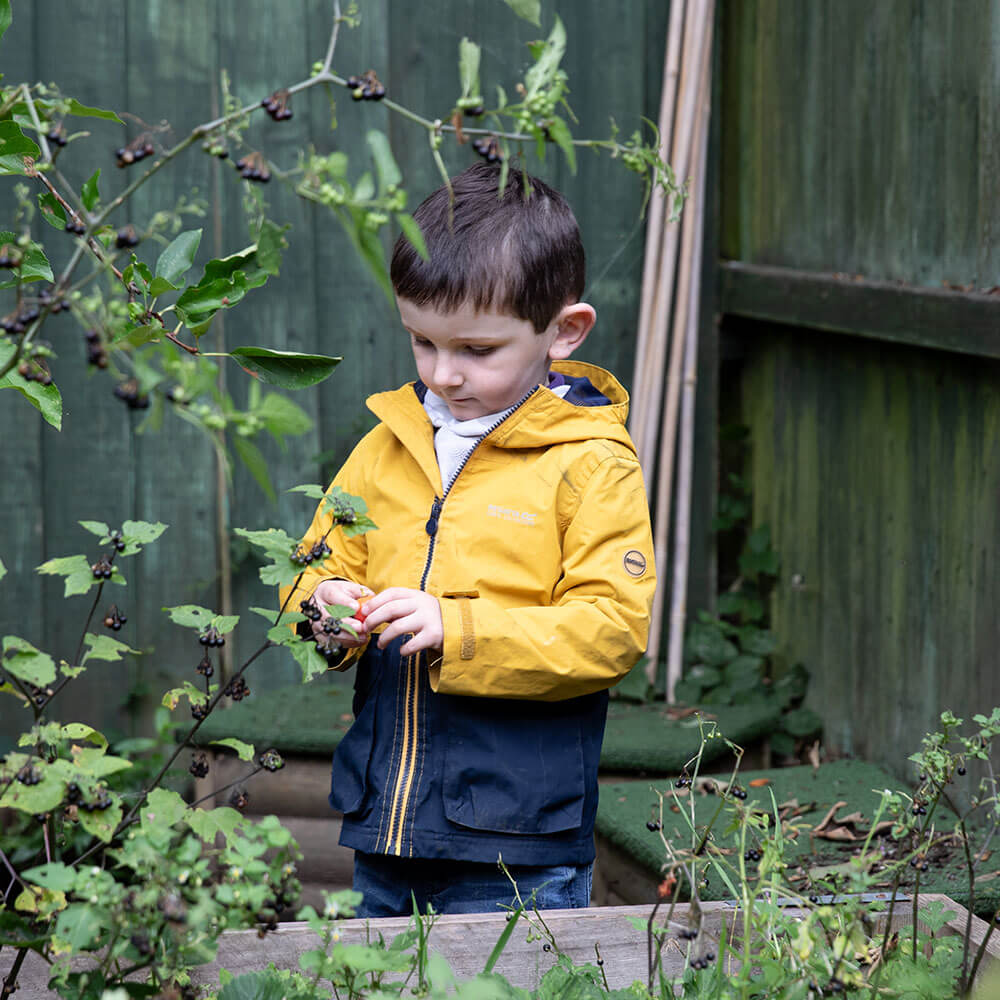
- Developing an outdoor area that helps young children participate in gardening in order to promote sustainable food consumption
Sustainable Transport Measures
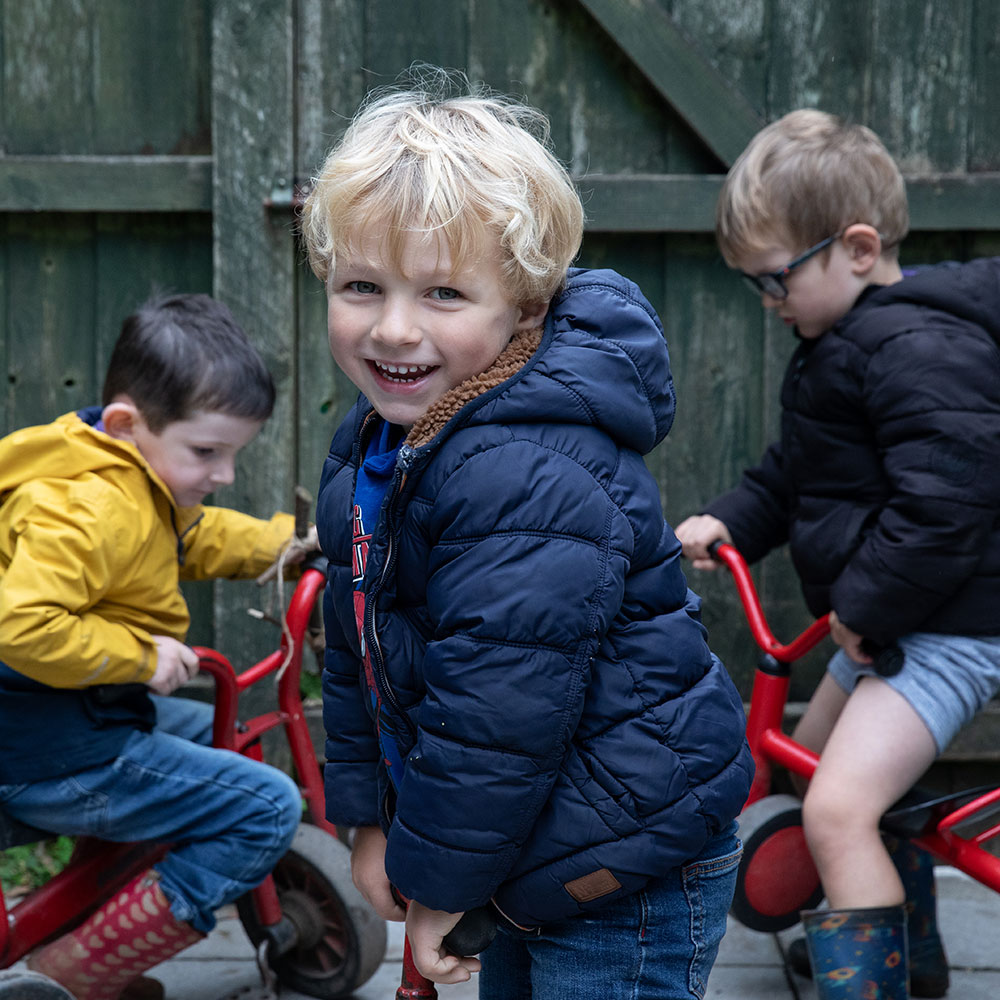
As part of our long term management strategy for sustainable travel to and from our nurseries, Happy Days develop travel plans to address environmental concerns including:
- Promoting car sharing
- Encourage the use of alternative modes of transport to the private car
- Share sustainable travel information with our parents and colleagues including local public transport links
- Installation of bike racks in our newer nurseries to encourage the use of cycling
Food Waste Management
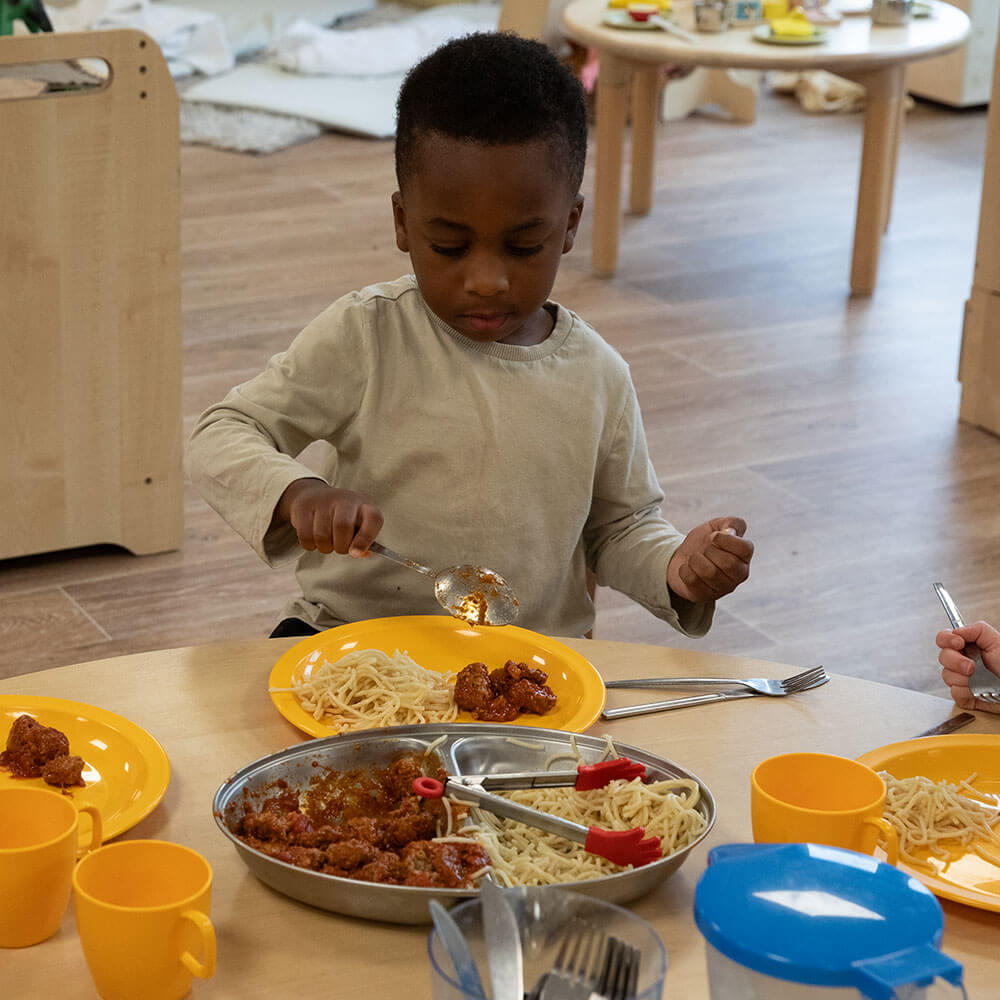
We are committed to reducing food waste across our nursery. Food waste bins are provided in all rooms to encourage recycling, helping children and staff understand the importance of minimising waste and protecting the environment. This practical approach supports the development of sustainable habits from an early age.
New Nursery Fit Out Suppliers
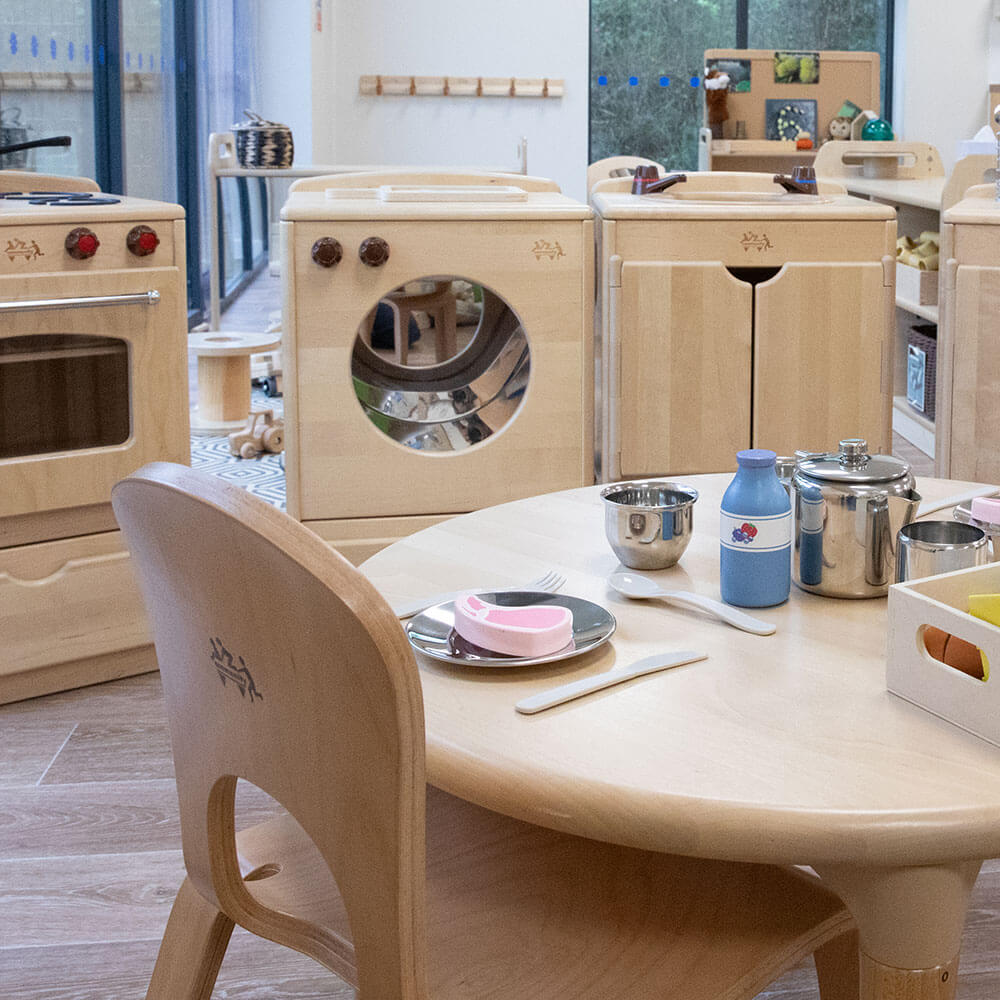
Happy Days carefully selects suppliers who share its commitment to sustainability. Partners are chosen for their responsible sourcing, strong environmental practices, and high ethical standards, ensuring that all materials and resources used in the nurseries align with the organisation’s environmental values.