



The Benefits Behind Each Meal: How Mealtimes Support Children’s Growth and Development
Mealtimes in early childhood are about so much more than just food. They offer vital opportunities for children to learn new skills, build independence, develop social connections, and form positive relationships with eating that can last a lifetime. Understanding the benefits behind each meal helps families and educators appreciate why mealtimes deserve as much focus as play and learning.
Encouraging Independence and Confidence
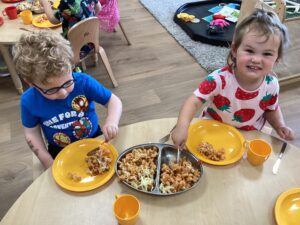
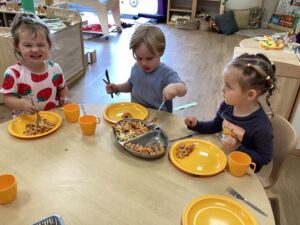
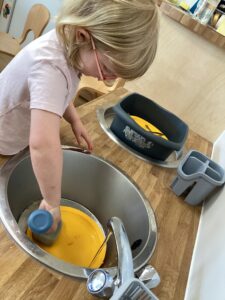
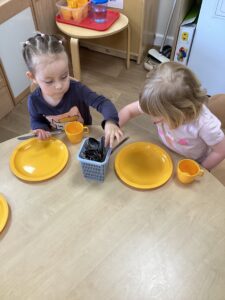
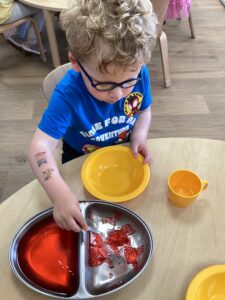
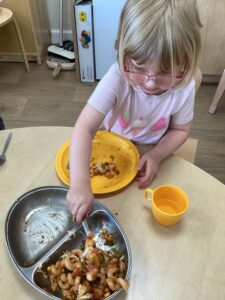
Children thrive when they’re given chances to do things for themselves. Mealtimes provide the perfect setting to foster independence, from serving their own portions to pouring drinks and clearing away afterwards. These routines help develop fine motor skills and hand-eye coordination, while also boosting children’s confidence as they master new tasks.
When children are involved in these daily responsibilities, they learn to take ownership and feel proud of their achievements. This support for independence is an important foundation for many areas of development beyond just mealtimes.
Building Communication and Social Skills
Sharing meals together encourages conversation and social interaction. Whether chatting about what they’re eating, sharing preferences, or simply enjoying time with friends and carers, children practice language skills in a meaningful context. These social moments also teach turn-taking, patience, and empathy.
Positive mealtime experiences help children feel secure and valued, creating a relaxed environment where learning happens naturally alongside eating.
Exploring Tastes, Textures, and Healthy Habits
Mealtimes offer a chance to introduce children to a variety of flavours, textures, and cultural foods, encouraging curiosity and willingness to try new things. When children actively participate—whether helping prepare food or growing vegetables—they develop a better understanding of healthy choices and where food comes from.
At Happy Days Nurseries, we bring this idea to life through our Let’s Grow and Let’s Cook programmes.
Let’s Grow: Connecting Children with Nature and Food
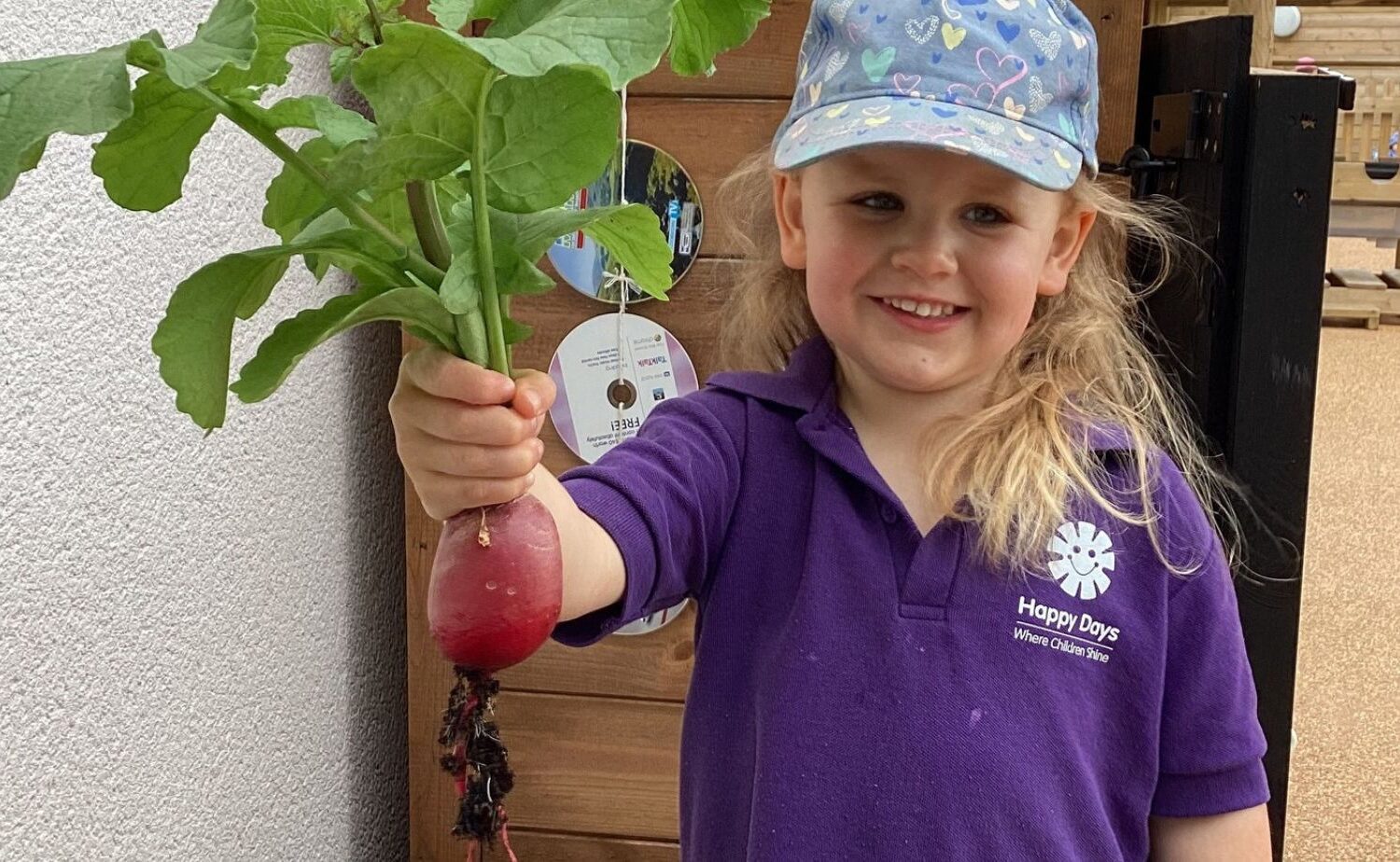
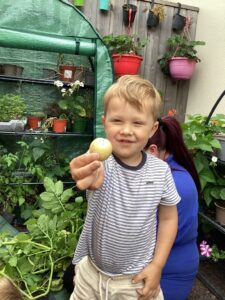
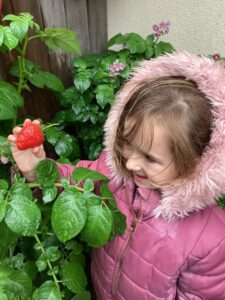
Our Let’s Grow Programme encourages children to get hands-on with nature by planting and caring for fruits, vegetables, and herbs. From sowing seeds to watering and harvesting, children experience the full food cycle, which nurtures curiosity and a deeper appreciation for what they eat.
This hands-on involvement supports sensory development, responsibility, and patience as children observe plants growing over time. It also introduces early science and math concepts—like measuring growth or counting seeds—in an engaging and natural way.
At home, parents can try simple gardening projects too. Growing cress is a fun and easy activity that only requires a shallow dish, cotton wool, and some seeds. Watching the shoots appear in just a few days offers a great opportunity to talk about plants and healthy eating while involving children in growing their own food.
Let’s Cook: Inspiring Confidence and Healthy Choices
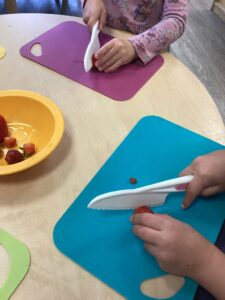
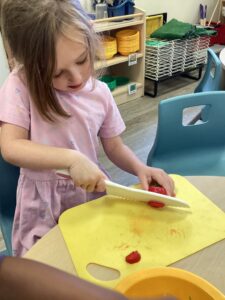
The Let’s Cook Programme gets children involved in practical cooking activities suited to their age and abilities. From stirring batter to chopping soft vegetables or assembling snacks, children build essential fine motor skills and develop confidence.
Cooking together also strengthens language and math skills, as children follow recipes, count ingredients, and learn sequencing. Most importantly, preparing fresh, healthy food encourages positive attitudes toward eating and helps children become more adventurous with their tastes.
Parents can bring this learning home too. Simple recipes like fruit kebabs, toast with toppings, or baking cookies offer easy ways to involve children in meal preparation. Letting kids pour, stir, and assemble fosters independence and makes mealtimes fun and meaningful.
Supporting Individual Dietary Needs
Every child is unique, with different tastes, dietary requirements, and cultural preferences. Ensuring mealtimes respect and accommodate these needs is essential for their comfort and health. Tailoring food choices to meet allergies, intolerances, and family routines helps create a safe and inclusive environment for all children.
Food Safety and Quality Standards
High standards of food safety and quality are crucial for protecting children’s health. This includes careful preparation, hygiene practices, and training for all staff involved in food handling. These behind-the-scenes measures help maintain trust and confidence in the food children eat each day.
If you’d like to learn more about the nutritional principles and expert guidance that shape our menus and food preparation, please read our detailed blog on Nurturing Healthy Habits: Why Nutrition Matters.
Mealtimes offer a rich, multi-dimensional experience that supports children’s development in many areas—far beyond just nutrition. Recognising the benefits behind each meal helps us appreciate the vital role that food, routines, and relationships play in early childhood growth and learning.




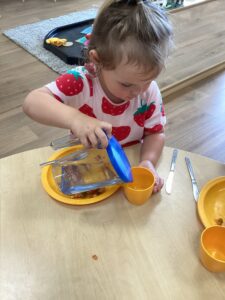
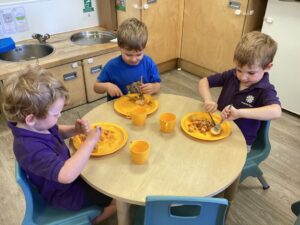
Photos taken from our chef at Happy Days Nursery, Verwood