
Keeping Children Under 5 Safe Online

3 mins
Jan 15, 2026

Understanding the risks, setting boundaries, and building healthy digital habits from the start

Screens are now part of everyday family life. From video calling relatives to watching a favourite programme together, digital devices can support learning, connection and enjoyment when used thoughtfully.

For young children, however, online safety is less about the internet itself and more about how, when and why screens are used. The early years are a crucial time for language development, emotional understanding and social skills, all of which grow best through real-world interaction. At Happy Days, we believe in supporting families with clear, practical guidance to help children build healthy digital habits from the very beginning.

Why online safety matters in the early years

Children under five learn best through:

  • Face-to-face conversation
  • Singing, stories and shared play
  • Movement, exploration and hands-on experiences

When screen time becomes too frequent, too stimulating or unsupervised, children may have fewer opportunities to practise these essential skills. That’s why current guidance focuses on balance, not banning screens altogether. Used well, screens can be a shared, calm and purposeful experience, but they should never replace connection, play or interaction.

Simple screen time principles for under-5s

These core principles can help guide decisions at home:
Co-view whenever possible – watch together and talk about what’s happening
Keep it predictable – short, planned screen time works better than frequent, unstructured use
Avoid background TV – constant noise and movement can make it harder for children to focus or play
Balance with real-world experiences – stories, outdoor play, messy play and conversation should always come first
Notice behaviour – if your child seems overstimulated, unsettled or withdrawn, it may be time to review screen use

Choosing low-sensory, age-appropriate content

Not all children’s content is the same. Some programmes are fast-paced, noisy and highly stimulating, which can overwhelm young children.
When choosing content, look for:

  • Slower pacing and gentle storylines
  • Calm narration and natural pauses
  • Simple visuals rather than rapid scene changes
  • Everyday situations children can relate to

Many parents find that story-based, educational or nature-focused programmes support attention and understanding far better than high-energy entertainment.
A useful rule of thumb: if you find it overwhelming to watch, your child probably does too.

Using parental controls and safety settings

Even when children are supervised, turning on safety settings adds an important extra layer of protection.
Most devices allow you to:

  • Set age restrictions on apps, games and programmes
  • Block inappropriate content automatically
  • Disable in-app purchases
  • Set screen time limits or downtime periods

These settings are usually found in:

  • Device settings (Apple Screen Time / Android Family Link)
  • Streaming platforms (Netflix Kids, BBC iPlayer profiles, YouTube Kids)
  • App stores (age ratings and download approvals)

Taking a few minutes to review these settings can make a significant difference and give families greater peace of mind.

Talking to children about online safety

Even very young children benefit from simple, repeated conversations about safety.
You might:

  • Talk about staying close to a grown-up when using devices
  • Explain that some things are “for adults only”
  • Encourage children to tell you if something makes them feel worried or confused
  • Use stories and characters to introduce safety messages

These conversations don’t need to be formal, they work best when they are natural, calm and ongoing.

How we support online safety at Happy Days

While children are with us, we support their understanding of online safety by:

  • Having regular, age-appropriate conversations about staying safe
  • Using stories and songs to introduce simple safety messages
  • Ensuring staff are regularly trained in safe device use and digital literacy
  • Using devices with robust content filters and blockers
  • Taking part in national initiatives such as Safer Internet Day

Our Safeguarding Policy and Child Protection Procedures also cover the safe use of electronic devices, imagery, social media and online safety.

Trusted online safety resources for families

These child-friendly resources offer stories, videos and guidance to explore together:
Childnet – practical advice and videos for families
Smartie the Penguin – songs and stories about using the internet safely
DigiDuck Stories – five stories for children aged 3–7 with activity ideas
Internet Matters – clear, practical guidance on parental controls and screen use
NSPCC Online Safety – advice on starting conversations about online safety

A balanced approach

Screens are part of modern family life and that’s okay. The most important things for young children remain unchanged: connection, conversation, play and feeling safe.

By choosing calm, age-appropriate content, setting clear boundaries, and staying involved, families can help children develop positive digital habits that will support them as they grow.
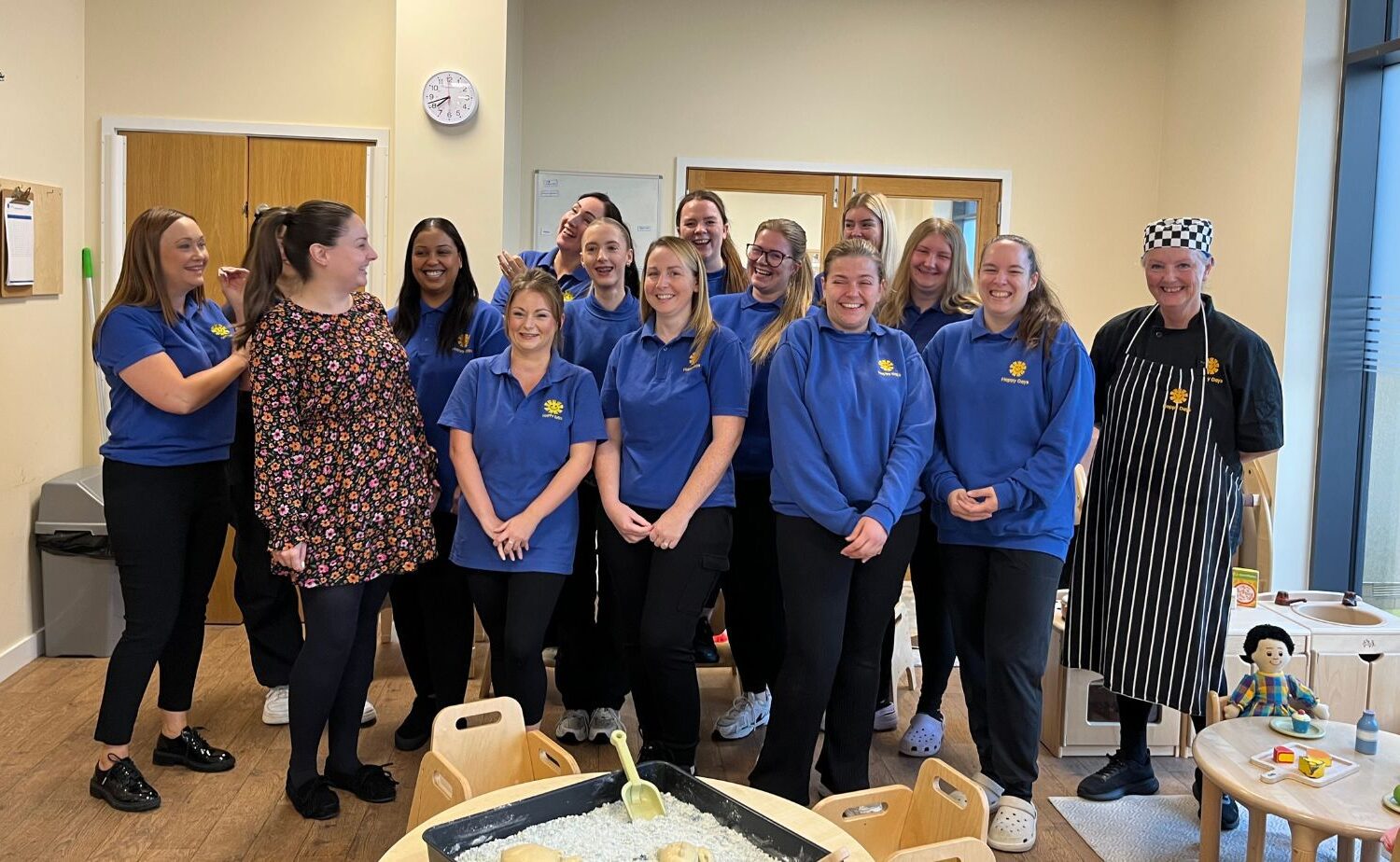
From Postnatal Depression to Parental Anxiety: Finding Calm and Confidence in Early Parenthood

2 mins
Dec 02, 2025

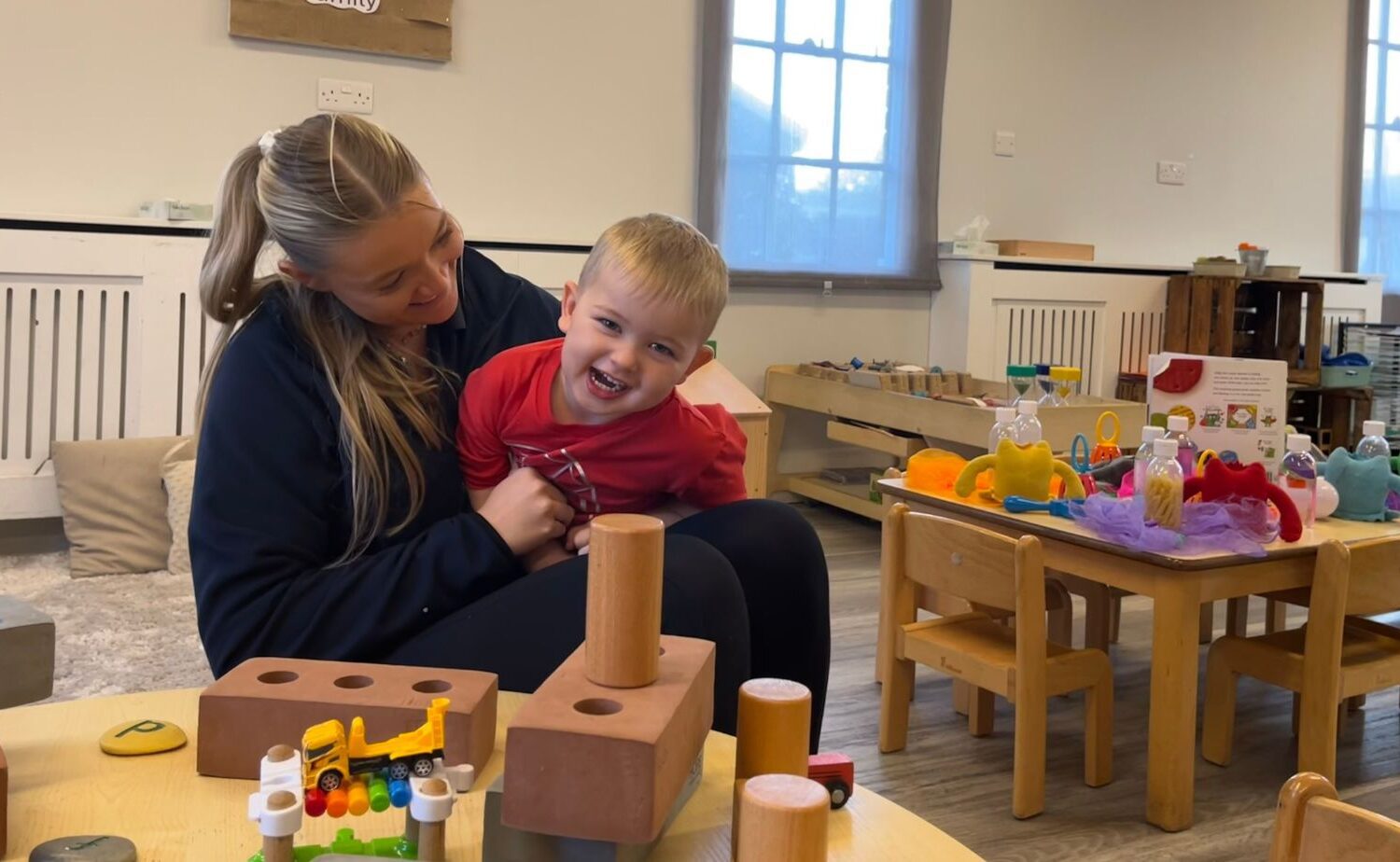
Parenthood brings joy, love, and discovery, but it can also bring worry, exhaustion, and emotional overwhelm. Many parents experience feelings of anxiety or sadness at some stage in their early parenting journey. These emotions are completely normal, but when they persist or start to affect everyday life, it’s important to seek support and remember you’re not alone.

Understanding postnatal depression and anxiety

It’s estimated that around 1 in 10 mothers and 1 in 20 fathers experience postnatal depression. It often appears within the first year after birth, but symptoms can surface later too, especially during key milestones such as returning to work or preparing for nursery.

Postnatal depression can look different for everyone, but common signs include:

  • Persistent sadness or emptiness
  • Loss of interest or enjoyment
  • Difficulty bonding with your baby
  • Changes in sleep or appetite
  • Feelings of guilt, hopelessness, or anxiety

Postnatal anxiety often overlaps, bringing worries that feel hard to switch off, “Am I doing enough?”, “What if something happens?”, or “Will my child be okay without me?”. These thoughts can become especially strong when parents begin thinking about handing their child’s care to someone else for the first time.

The emotional leap of starting nursery

Transitioning from full-time care at home to nursery life can be one of the biggest emotional milestones for parents. Even if you know your child will be safe and cared for, it’s completely natural to feel anxious, this is an act of love, after all.

You might find yourself worrying about:

  • How your child will settle without you
  • Whether they’ll eat or nap properly
  • How they’ll be comforted if they’re upset
  • If they’ll form secure bonds with new adults

These are universal worries. Every loving parent feels them to some degree. The goal isn’t to eliminate these feelings, but to learn ways to manage them compassionately.

Ways to soothe parental anxiety

Talk openly about how you feel
Share your thoughts with someone you trust, a partner, friend, GP, or health visitor. Speaking your worries aloud can make them easier to understand and manage.

Create calm, predictable routines
Children and parents find comfort in routine. Simple daily rhythms, like consistent nap times or quiet morning rituals, can bring a sense of control and calm.

Practice short separations
If you’re preparing for nursery, start with brief separations. A walk while a partner or relative looks after your child can help both of you build confidence gradually.

Stay connected, but present
Many nurseries now use secure family apps to share updates, photos, and milestones. Use these to stay informed, but try to give yourself permission to step back and trust the process.

Look after yourself, too
Small acts of self-care, a cup of tea, a walk, a good chat, can make a big difference. Rest is not indulgent; it’s essential for emotional balance.

Normalise your feelings with others
Join local parent groups, online communities, or baby sessions where you can meet others in the same boat. Simply hearing “me too” can lift an enormous weight.

Where to find professional support

If your feelings of anxiety or sadness persist or become overwhelming, please reach out for professional help. Early intervention makes a real difference.

  • GP or Health Visitor: Your first point of contact for assessment and support.
  • NHS Talking Therapies: Free, confidential support for anxiety and depression.
  • Mind (mind.org.uk): Information and emotional support.
  • PANDAS Foundation (pandasfoundation.org.uk): Dedicated support for perinatal mental health.
  • DadPad App & Dads Matter UK: Tailored guidance for fathers and co-parents.

Final thoughts

Every parent’s journey is different. Whether you’re navigating the fog of postnatal depression, the jitters of separation anxiety, or simply the ups and downs of new parenthood, remember, your feelings are valid, temporary, and supported by a community of others who understand.

You are not alone.
You are doing enough.
And you’re doing better than you think.

🌱 Why Community Matters in Early Years Education

3 mins
Nov 28, 2025

At Happy Days Nurseries & Pre-Schools, we believe nurseries should sit at the heart of their communities. They are not only places where children discover and explore but also hubs of support and belonging for families. By working with local partners, charities, and families, we create environments where children shine and parents feel part of something bigger.

Why Community Engagement Matters in Early Years
The benefits of embedding nurseries within communities are far-reaching:
For children, it creates opportunities to build empathy, resilience, and confidence. Whether it’s reading to care home residents or planting flowers in a local park, these experiences shape not only their learning but their character.
For families, it creates a vital support network. Parenting can be isolating, but when nurseries provide Stay & Play sessions, coffee mornings, or practical advice on funding and transitions, families feel connected and reassured.
For the wider community, nurseries act as bridges. They bring together schools, charities, businesses, and residents in a way that strengthens everyone.
For the future, it sets an example. Children who grow up in nurseries that value community and sustainability carry those lessons forward, creating positive ripples for years to come.

Building Belonging from the Start
Starting nursery is a big milestone, and our role goes beyond simply providing childcare. Across our nurseries, we run free Stay & Play sessions, walk and talks, baby massage groups, and first aid workshops to support families from the very beginning of their parenting journey. These sessions are open to the wider community, not just those enrolled, offering parents the chance to meet others, share experiences, and feel connected.

Families also benefit from practical guidance, whether that’s advice on routines, funding, or transitions to school. By offering these early touchpoints, our nurseries ensure parents feel welcomed, supported, and never alone in navigating the challenges of family life.

Children as Community Citizens
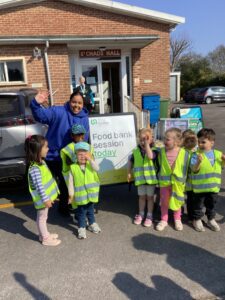
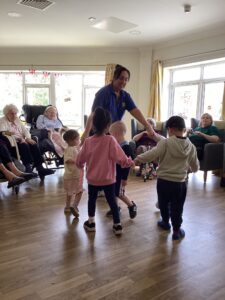
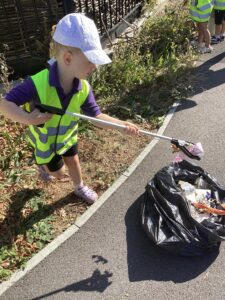
We encourage children to see themselves as active citizens from the earliest age. Whether it’s intergenerational visits to local care homes, taking part in charity fundraising, joining in with litter picks, or planting flowers for pollinators, our children are involved in projects that nurture empathy, kindness, and responsibility.

Initiatives like our collaboration with the National Lobster Hatchery in Cornwall help children understand the importance of caring for their environment, while activities like creating “kindness rocks” to hide in local parks show them the joy of spreading positivity within their community.

Supporting Families in Meaningful Ways
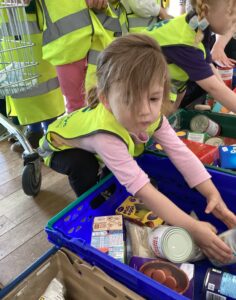
We know parenting isn’t always easy, and our nurseries act as trusted partners for families. Many of our settings organise clothing swaps, food bank donations, and community fundraising events in aid of charities such as Children’s Hospice South West. Our Christmas and summer fairs bring together local businesses, schools, and families, creating spaces where the whole community can connect.

We also recognise the importance of communication and connection. In Bristol and Cornwall Happy Days has created an open Facebook group called ‘New Mums & Dads’ where parents receive updates, advice, and tips. Alongside this, our monthly podcast gives families access to expert knowledge on topics like preparing children for school, learning to swim from birth, or using music to support early language development.

Embedding Sustainability into Everyday Life
Sustainability is at the heart of our ethos, helping children understand that caring for the world starts with small, everyday actions. From achieving Eco-Schools awards to running Lending Libraries, organising clothes swaps, and creating wildlife-friendly gardens, our nurseries embed eco-friendly practice into daily routines.

By involving children directly, whether in recycling, planting, or helping with community initiatives—we help them grow into thoughtful, responsible citizens who understand the impact they can have on their environment and community.

Celebrating Community Success
Community is part of the Happy Days identity. By offering free sessions, supporting local causes, and building connections that last beyond nursery, we ensure every family feels part of something special. This commitment has been recognised nationally, with Happy Days Charlton Heights Nursery & Pre-School shortlisted for Community Nursery of the Year at the NMT Awards, celebrating the role we play in supporting families and strengthening communities.

At Happy Days, we see our nurseries as community anchors. By placing belonging, support, and sustainability at the centre of what we do, we help children, families, and communities shine together.

Understanding Ofsted’s New Early Years Inspection Toolkit

1 mins
Nov 13, 2025

From November 2025, Ofsted will begin using a new Early Years Inspection Toolkit for all nurseries, preschools, and childminders. This change is designed to make inspections clearer, fairer, and more focused on what really matters — children’s experiences, safety, and happiness.

What is the new toolkit?

The Early Years Inspection Toolkit replaces the existing inspection handbook and provides a clear framework for how Ofsted inspectors will evaluate early years settings. Rather than focusing purely on paperwork, the new approach looks more closely at what children actually experience day-to-day — ensuring that environments are safe, nurturing, and inclusive for every child.

What inspectors will look at

Inspectors will consider how well children:

  • Achieve – Are all children learning, developing, and making good progress?
  • Belong – Do all children feel safe, welcome, and included?
  • Thrive – Are children happy, confident, and developing the skills and knowledge they need for the next stage of learning?

Alongside these core areas, inspectors will also evaluate safeguarding, inclusion, curriculum and teaching, children’s well-being, and leadership.

What’s new about the grading system?

After each visit, settings will receive a report card showing performance in different evaluation areas rather than one overall grade. A new five-point grading scale will be introduced, replacing the previous “overall effectiveness” judgement.

This change gives parents and carers a clearer, more transparent overview of how their child’s nursery or preschool is performing in specific areas, highlighting strengths and areas for development.

What this means for parents and practitioners

For parents, this provides a more meaningful insight into a setting’s quality. Instead of a single word like “Good” or “Outstanding,” you’ll be able to see how your child’s setting performs in different aspects of care and education.

For practitioners and providers, it offers a fairer, more contextual assessment, acknowledging that every nursery is unique, with its own community, challenges, and successes.

How you can use this information

When reading Ofsted reports or speaking with your child’s nursery, consider asking:

  • How does the nursery ensure every child feels included and valued?
  • What does the curriculum look like in practice?
  • How are children’s interests and progress supported each day?
  • How does leadership reflect on and improve practice?

Why this matters

The new inspection framework reflects a wider shift across early years, from compliance to impact. It focuses on how children are supported to learn, develop, and thrive, and how each setting creates a safe, inclusive environment that helps children feel they belong.

Ultimately, these changes are designed to give both parents and practitioners a clearer picture of quality, ensuring every child has the best possible start in life.

The Benefits of Stay and Play Sessions for Parents and Children

3 mins
Oct 23, 2025

The Benefits of Stay and Play Sessions for Parents and Children

Becoming a parent is one of the most rewarding experiences in life, but it’s also one of the most challenging. Those early months and years can be filled with joy, laughter, and discovery, yet also moments of loneliness, anxiety, and self-doubt. For many new parents, it can feel like you’ve stepped into a whole new world, one that doesn’t come with an instruction manual.

That’s where Stay and Play sessions can make a real difference.

These relaxed, welcoming groups are designed for parents and children to enjoy quality time together in a fun, social setting. But beyond the toys, Stay and Plays offer something far more meaningful, a sense of connection, community and confidence for both parent and child.


Finding Connection and Community

It’s no secret that parenthood can sometimes feel isolating. Between feeds, naps, and endless washing, it’s easy to lose touch with the outside world. Studies show that around one in ten mothers experience postnatal depression within the first year after birth and it’s important to remember that fathers and partners can feel the same way too.

Stay and Play sessions create a space where parents can simply be, no pressure, no expectations, just time to connect with others who understand. Conversations flow naturally as children play and before long, what starts as small talk often turns into friendship.

Many parents say that these sessions help them regain a sense of belonging, a reminder that they’re not alone in the ups and downs of early parenthood.


A Confidence Boost for Parents

For parents who may be feeling anxious, low in confidence, or uncertain about their new role, Stay and Plays can be a gentle first step. The welcoming, informal atmosphere helps build confidence in small, everyday ways, from chatting with another parent to watching your child try something new for the first time.

It’s also a chance to pick up ideas for play at home, share experiences and feel reassured that no one has it all figured out (despite what social media might suggest!).

And for Children?

Of course, Stay and Play sessions aren’t just beneficial for parents, they’re wonderful for children too. These sessions offer rich opportunities for little ones to explore new toys, textures, and activities, helping to build early social, emotional, and physical skills.

Through play, children learn to take turns, communicate, and express themselves. Sensory activities and messy play help develop fine motor skills, creativity, and curiosity. For many, it’s also their first experience of being around other children, a great way to prepare for future nursery or preschool life.

Stay and Plays come in all shapes and sizes, and no two sessions are the same. You might find:

  • Messy Stay and Plays, where children can dive into paint, foam and textures, discovering the joy of creative play without trashing your carpet at home. 🎨
  • Music-themed sessions, filled with songs, rhythm and movement to build early language and coordination. 🎵
  • Themed adventures, like jungle or seasonal sessions, where little imaginations can run wild. 🦁

With so much variety, there’s something to suit every child’s interest and every parent’s comfort level.


A Peek Inside the Nursery

For families considering nursery care, Stay and Play sessions are also a wonderful way to see a setting in action. You can meet the team, explore the environment and get a real sense of how staff interact with children, all in an informal, relaxed way. It’s a great opportunity to ask questions (especially if you have ones on funding), observe the atmosphere and see if it feels like the right fit for your family.


Stay and Play with Happy Days

At Happy Days Nurseries & Pre-Schools, we’re proud to offer a wide range of Stay and Play sessions across our settings, from messy play and music mornings to themed ocean adventures. They’re open to all families and everyone is welcome.

In the whirlwind of early parenthood, sometimes the smallest steps can make the biggest difference. Attending a Stay and Play might only take an hour out of your week, but the benefits, connection, confidence, friendship and shared joy, can last far longer.

✨ You can find your nearest free Stay and Play and upcoming dates on our Events Page by clicking here, come along, connect and see where children (and parents!) can truly shine.

Childcare Funding in England: A Complete Guide to Making Nursery More Affordable

4 mins
Oct 07, 2025

At Happy Days Nurseries & Pre-Schools, we know that childcare is one of the biggest expenses families face. The good news? The government offers a range of funding options to help make high-quality early education more affordable and the support is only growing.

In this blog, we’re breaking down everything parents need to know about funded childcare in England: who’s eligible, how to apply, what it covers, and the extra support available.


Who’s Eligible for Funded Childcare?

The government has expanded funding in recent years, meaning many more families now qualify for help.

Here’s how it works:
From 9 months old: Children of working parents/carers may be eligible for funded hours.
From age 2: Funding is available for children of working families receiving certain benefits.
From age 3 and 4: All children automatically receive 15 hours of funded childcare, regardless of income and many working families can access up to 30 hours.

Funding begins the term after your child’s birthday. For example, if your child turns three in October, their funding starts in January.

These entitlements are designed to make returning to work or balancing family life a little easier, supporting families right up until school age.


What Counts as a “Working Parent”?

To qualify for funded hours for under 3s (and the extended 30 hours for 3–4s), each parent/carer, or the single parent/carer in a household, must:
Earn at least the equivalent of 16 hours per week at minimum wage (around £9,500 per year) and earn less than £100,000 per year.
There are some exceptions, such as if a parent is on maternity or parental leave, or has a disability.


How to Apply and Key Deadlines

Applications for funded childcare are made through the government’s Best Start in Life website (formerly known as Childcare Choices).

You’ll need to:
Create an online account.
Enter details like your National Insurance number and employment status.
Receive your code. Once approved, you’ll get a unique “funding code”, this is what you share with your nursery so they can claim your child’s funded hours.


Important Deadlines

Applications must be completed the term before your child is due to start using the funding:
31st August (for funding starting in September)
31st December (for funding starting in January)
31st March (for funding starting in April)

You’ll also need to reconfirm your details every three months to keep your code active. If you forget, your funding could be paused, so look out for reminder emails from HMRC (they sometimes end up in your spam folder!).

If your circumstances change, for example, if one parent/carer loses their job, don’t panic. There’s usually a grace period while you get back on track.

What Funding Covers (and What It Doesn’t)

One of the biggest misconceptions about funding is that it covers everything. In reality, the government funding only covers the education and childcare hours themselves, not the additional services nurseries provide.

At Happy Days, we’re transparent about this. The funding doesn’t include:

  • Meals and snacks
  • Nappies and wipes
  • Sun cream
  • Enrichment activities

To keep things simple for families, we offer our SHINE package, which includes all these extras, so there are no hidden costs and everything your child needs is taken care of.

You can also combine funding with Tax-Free Childcare to make things even more affordable. For example, you might use your funded hours for your core nursery sessions, and use Tax-Free Childcare to help pay for meals or additional days.


Stretching Funded Hours Across the Year

The government funding is based on 38 term-time weeks, like the school year. But most nurseries, including Happy Days, are open all year round.
To make this work, we can “stretch” your funded hours over 51 or 52 weeks.

That means instead of receiving 30 hours per week term-time, you’d receive around 22 hours per week all year round, the total number of funded hours stays the same, just spread out evenly.

This flexibility helps families plan for consistent childcare without breaks during school holidays.


FAQs: What Parents Ask Most

Can I split my funded hours between two providers?
Yes! You can divide your entitlement between, for example, a nursery and a childminder. You just can’t claim more than your total allowance overall.

What happens if my income changes?
If your income drops below the minimum, your funding code might stop renewing, but you’ll usually get a grace period. If your income rises above £100,000 (per parent), you’ll no longer be eligible.

Can self-employed parents/carers apply?
Yes, absolutely, you’ll just need to confirm you expect to meet the minimum income threshold across the year.

Are grandparents or guardians eligible?
If they’re the child’s legal guardian and meet the criteria, yes.

Are there other types of financial support?
Yes and many families don’t realise they can combine schemes. These include:
Tax-Free Childcare (the government adds 20% to your childcare account)
Universal Credit childcare support
Disability Access Funding
Early Years Pupil Premium (to support children from lower-income families or with additional needs)

It’s always worth checking your eligibility through the Best Start in Life website, as many parents/carers qualify for more than they expect.


Making Childcare Affordable and Transparent

At Happy Days, we want every family to feel confident and informed about childcare costs. Funded hours can make a huge difference, especially when combined with the right support schemes and flexible options.

If you’re unsure what you’re entitled to, talk to your nursery manager or visit:

👉 Affordable Childcare – Happy Days Nursery
👉 www.beststartinlife.gov.uk (England)
👉 Childcare Offer for Wales | Help With Childcare Costs Wales | GOV.WALES (Wales)

And remember, while funding helps cover your child’s early education, choosing the right nursery means investing in their happiness, development, and confidence, something we’re proud to support at Happy Days every day.

A toddler holding a beetroot and smiling

The Benefits Behind Each Meal: How Mealtimes Support Children’s Growth and Development

3 mins
Jul 17, 2025

The Benefits Behind Each Meal: How Mealtimes Support Children’s Growth and Development

Mealtimes in early childhood are about so much more than just food. They offer vital opportunities for children to learn new skills, build independence, develop social connections, and form positive relationships with eating that can last a lifetime. Understanding the benefits behind each meal helps families and educators appreciate why mealtimes deserve as much focus as play and learning.

Encouraging Independence and Confidence

Children thrive when they’re given chances to do things for themselves. Mealtimes provide the perfect setting to foster independence, from serving their own portions to pouring drinks and clearing away afterwards. These routines help develop fine motor skills and hand-eye coordination, while also boosting children’s confidence as they master new tasks.

When children are involved in these daily responsibilities, they learn to take ownership and feel proud of their achievements. This support for independence is an important foundation for many areas of development beyond just mealtimes.

Building Communication and Social Skills

Sharing meals together encourages conversation and social interaction. Whether chatting about what they’re eating, sharing preferences, or simply enjoying time with friends and carers, children practice language skills in a meaningful context. These social moments also teach turn-taking, patience, and empathy.

Positive mealtime experiences help children feel secure and valued, creating a relaxed environment where learning happens naturally alongside eating.

Exploring Tastes, Textures, and Healthy Habits

Mealtimes offer a chance to introduce children to a variety of flavours, textures, and cultural foods, encouraging curiosity and willingness to try new things. When children actively participate—whether helping prepare food or growing vegetables—they develop a better understanding of healthy choices and where food comes from.

At Happy Days Nurseries, we bring this idea to life through our Let’s Grow and Let’s Cook programmes.

Let’s Grow: Connecting Children with Nature and Food

Our Let’s Grow Programme encourages children to get hands-on with nature by planting and caring for fruits, vegetables, and herbs. From sowing seeds to watering and harvesting, children experience the full food cycle, which nurtures curiosity and a deeper appreciation for what they eat.

This hands-on involvement supports sensory development, responsibility, and patience as children observe plants growing over time. It also introduces early science and math concepts—like measuring growth or counting seeds—in an engaging and natural way.

At home, parents can try simple gardening projects too. Growing cress is a fun and easy activity that only requires a shallow dish, cotton wool, and some seeds. Watching the shoots appear in just a few days offers a great opportunity to talk about plants and healthy eating while involving children in growing their own food.

Let’s Cook: Inspiring Confidence and Healthy Choices

The Let’s Cook Programme gets children involved in practical cooking activities suited to their age and abilities. From stirring batter to chopping soft vegetables or assembling snacks, children build essential fine motor skills and develop confidence.

Cooking together also strengthens language and math skills, as children follow recipes, count ingredients, and learn sequencing. Most importantly, preparing fresh, healthy food encourages positive attitudes toward eating and helps children become more adventurous with their tastes.

Parents can bring this learning home too. Simple recipes like fruit kebabs, toast with toppings, or baking cookies offer easy ways to involve children in meal preparation. Letting kids pour, stir, and assemble fosters independence and makes mealtimes fun and meaningful.

Supporting Individual Dietary Needs

Every child is unique, with different tastes, dietary requirements, and cultural preferences. Ensuring mealtimes respect and accommodate these needs is essential for their comfort and health. Tailoring food choices to meet allergies, intolerances, and family routines helps create a safe and inclusive environment for all children.

Food Safety and Quality Standards

High standards of food safety and quality are crucial for protecting children’s health. This includes careful preparation, hygiene practices, and training for all staff involved in food handling. These behind-the-scenes measures help maintain trust and confidence in the food children eat each day.

If you’d like to learn more about the nutritional principles and expert guidance that shape our menus and food preparation, please read our detailed blog on Nurturing Healthy Habits: Why Nutrition Matters.

Mealtimes offer a rich, multi-dimensional experience that supports children’s development in many areas—far beyond just nutrition. Recognising the benefits behind each meal helps us appreciate the vital role that food, routines, and relationships play in early childhood growth and learning.

Learn to Swim from Birth Safely: Building Confidence in and Around Water

3 mins
Jul 03, 2025

From the very first splash, water can be a powerful tool for learning, bonding, and safety. Teaching children to swim isn’t just about strokes and splashing, it’s about giving them lifelong skills to stay safe, build confidence, and enjoy physical activity from the earliest days.

That’s why Happy Days Nurseries & Pre-Schools is proud to announce a collaboration with Water Babies, who are leading the way in baby and toddler swimming education. Together, we’re working to ensure children gain essential water safety skills while nurturing the values and confidence they need to thrive both in and out of the pool.

Why Early Swimming Matters

  • Learning to swim from a young age helps children:
  • Build water confidence
  • Develop physical strength and coordination
  • Learn vital safety techniques such as holding onto the poolside or floating
  • Become emotionally resilient and socially engaged

And most importantly, it can save lives. According to the Royal Life Saving Society UK (RLSS UK), one child under five drowns on average every month in England, a tragic and preventable reality. Teaching water safety early gives children the skills they need to respond calmly and confidently if they ever find themselves in danger.

Water Safety at Home and Beyond

You can begin introducing water confidence at home, even during everyday bath time. It’s a relaxed, familiar environment where children can explore and play while getting used to the feel and flow of water.

Tips for building water confidence at home:

  • Stay within arm’s reach at all times
  • Use calm, positive language
  • Gently pour water over shoulders and arms
  • Sing songs and use floating toys
  • Practice simple actions like kicking or blowing bubbles

Creating a routine around bath time with all your essentials nearby (towel, shampoo, toys, clothes) also helps children feel secure and builds trust around water-based routines.

How to Get Started with Swimming Lessons

When you’re ready to move from the bath to the pool, look for a structured, supportive swimming programme designed specifically for young children. Water Babies offers lessons for babies, toddlers, and pre-schoolers, focusing on:
Progressive learning through fun and play
Safety techniques like floating and safe entry/exit
Emotional reassurance through consistent teaching and calm environments
Parent-child bonding in the water

All Water Babies teachers are qualified in the National Rescue Award for Swimming Teachers and Coaches, so you can be confident your child is in safe, expert hands.

Shared Values: Why This Collaboration Makes Sense

At Happy Days, we believe every child deserves the opportunity to shine. Our “Where Children Shine” curriculum supports each child as a Healthy, Independent Explorer — promoting active lifestyles, physical confidence, and safety awareness from the start.
The collaboration with Water Babies perfectly aligns with this approach. Just as our curriculum nurtures resilience, confidence, communication, and independence, Water Babies lessons are designed to empower children through physical and emotional growth in the water.

Together, we are committed to:
Creating safe, supportive environments for children to explore and take risks
Encouraging healthy habits for lifelong wellbeing
Celebrating individuality while developing vital life skills
Supporting parents and carers every step of the way

Whether it’s practicing sun safety, learning to self-serve at mealtimes, or developing coordination in the water, both Happy Days and Water Babies champion a holistic approach to early years development, where safety, fun, and growth go hand in hand.

It’s Not Just About Swimming, It’s About Confidence for Life

As one Water Babies teacher shared: “It’s not just about teaching swimming; it’s about building trust, confidence, and connections. I’ve had the privilege of bonding with incredible children and their families. Watching children grow, learn life-saving skills, and become confident in the water fills my heart every day.”

It’s a feeling we share across all Happy Days settings, seeing children thrive as they explore, move, learn, and grow with confidence.

Final Thoughts

Whether you live near the coast, enjoy the occasional trip to the pool, or simply want to build your child’s physical skills and confidence, teaching water safety from birth is one of the most important things you can do.

At home, in nurseries, and in the pool, let’s all play a part in giving children the tools they need to be safe, strong, and resilient around water and in life.

A plate of fruit with pineapple, strawberries, and raspberries

Nurturing Healthy Habits: Nutrition Benefits for Children

3 mins
Jun 19, 2025

Nurturing Healthy Habits: Nutrition Benefits for Children

Nutrition is the foundation for a child’s healthy development—both physically and mentally. The early years are a crucial time for establishing eating habits, supporting brain development, and building the energy and strength children need to explore, learn, and grow. Understanding the importance of good nutrition during this time can make a significant difference in a child’s lifelong health and well-being.


A Balanced Diet for a Strong Start

Children under five require the right mix of nutrients to support their rapid growth and development. This includes a variety of tastes, textures, colours, and food types that encourage healthy eating habits and help children develop a positive relationship with food.

Offering children a varied menu with fresh, balanced meals helps provide the energy and nourishment they need throughout the day. Meals that incorporate a range of fruits, vegetables, whole grains, and protein sources expose children to new flavours and cultures, making mealtimes both enjoyable and educational.

For example, some settings prepare warm, comforting dishes like homemade pasta bakes, stews, and curries, alongside fresh snacks such as fruit, vegetable sticks, and whole grain crackers. Tasty yet healthy desserts like yoghurts or fruit-based treats also provide a balanced approach to sweet options.


Fresh, Thoughtful Preparation

Freshly prepared meals made on-site from quality ingredients ensure children receive nutritious food every day. Trained cooks and chefs take care in preparing meals safely while often involving children in food-related activities. This hands-on approach helps children learn about ingredients, develop life skills, and understand where their food comes from—making mealtimes part of a wider learning experience.

Taking Allergies and Dietary Needs Seriously

For many families, food is not just about preferences—it’s about safety. It is essential for childcare settings and parents alike to communicate clearly about any food allergies, intolerances, cultural or religious dietary requirements, and weaning stages.

Tailoring food choices to meet these individual needs creates a safe and inclusive environment. This includes strict food safety procedures such as clearly labelled meals, separate preparation areas when necessary, and regular staff training on allergen management.


Encouraging Independence and Positive Mealtime Routines

Mealtimes offer valuable opportunities for children to build independence and social skills. Older children benefit from serving themselves using child-friendly utensils, pouring their own drinks, and clearing away after eating. These routines foster confidence, motor skills, and language development as children talk with peers and carers about what they are eating and how it tastes.

These practical routines also support the development of independence skills, helping children feel capable and involved in their own care.

For babies and toddlers, introducing a carefully planned weaning menu that aligns with health guidelines and works alongside family routines supports a smooth transition to solid foods.


Food Safety and Quality You Can Trust

Ensuring kitchens meet strict hygiene and food safety standards is vital to protecting children’s health. Regular inspections by health authorities and well-trained staff provide families with peace of mind that the meals served are safe and of high quality.


Why It Matters

Good nutrition in early childhood fuels the body, supports development, and shapes attitudes towards food that can last a lifetime. By combining expert advice, fresh ingredients, and thoughtful mealtime practices, parents and caregivers can help children develop healthy habits that support their growth, wellbeing, and confidence.
Whether your child is just starting solids, exploring new tastes, or developing independence around food, focusing on the benefits behind each meal can nurture a positive and lasting relationship with eating.


A Practical Example from Happy Days Nurseries & Pre-Schools

At Happy Days Nurseries & Pre-Schools, we put these principles into practice by working closely with qualified nutritionists and dietitians to design balanced, seasonal menus. Our trained nursery chefs prepare fresh meals daily using high-quality ingredients, and we carefully consider each child’s individual dietary needs, including allergies and cultural preferences.

We also encourage children to take an active role in mealtimes—serving themselves, pouring drinks, and clearing up—to support their independence and communication skills. This approach is part of our wider curriculum that nurtures healthy habits and wellbeing from the earliest stages.

Our commitment to quality nutrition is reflected in the Early Years Alliance Quality Mark for Nutrition, recognising our dedication to promoting excellent nutrition standards in early years settings.

A group of people, some in wheelchairs. At the front is a woman and young child high-fiving

The Power of Intergenerational Music and Movement at Happy Days Nurseries

5 mins
May 30, 2025

Bringing Generations Together Through Music: Intergenerational Connections at Happy Days Nurseries

At Happy Days Nurseries, we believe in creating rich, meaningful experiences that go beyond early education. One of the most heartwarming and impactful ways we do this is through intergenerational music and movement sessions. These joyful experiences connect children with older generations in local care homes, using music and movement to build bonds, enhance learning, and bring communities together. Our commitment to community, wellbeing, and child development shines through in initiatives like this—brought to life through the Boogie Minis Programme (part of the Boogie Mites family of programmes).

This joyful and impactful initiative has become a key part of our approach at Charlton Heights, where children develop vital early learning skills while forming beautiful bonds with older generations in local care homes. We are excited to explore expanding this activity to other nurseries in the future.


What is Boogie Mites?

The Boogie Mites School Ready Programme (which all our nurseries deliver) uses music, rhythm, and movement to develop children’s communication, language, and early literacy skills. With 25 songs directly linked to Letters and Sounds Phase One, the programme enhances phonological awareness, listening skills, and sound recognition—all through fun, upbeat, and neuroscience-backed activities.

Each song has been specifically written to capture the imagination of young children, incorporating diverse music genres, fun lyrics, and great melodies to develop rhythmic and melodic awareness. This programme recognises the importance that daily music and singing play in building strong foundations for early language acquisition and literacy skills, including sound recognition and phoneme awareness.

Our trained Boogie Mites Ambassadors lead children in daily music sessions that build confidence, coordination, creativity, and connection.


The Magic of Intergenerational Music and Movement

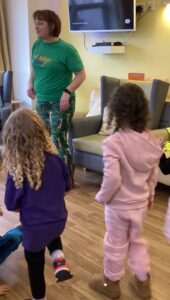
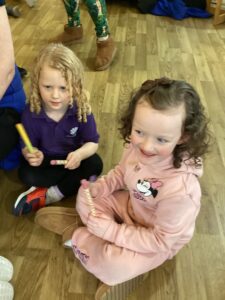
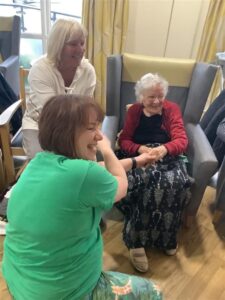
At Charlton Heights, we’ve introduced intergenerational music and movement sessions that go beyond simple visits. These are meaningful experiences where small groups of children bring music, dance, and storytelling into care homes, creating a powerful connection between generations.

The structure and spontaneity of these sessions, led by our Boogie Mites-trained practitioners at Charlton Heights, form the foundation of our intergenerational music and movement approach. It’s more than just singing—it’s about nurturing empathy, building confidence, and bringing communities together through shared rhythm and joy.


Why Intergenerational Sessions Matter

These visits go far beyond entertainment—they’re powerful opportunities for connection, development, and joy. Here are just some of the benefits we’ve seen across generations:

Building Social and Emotional Skills
Children learn empathy, patience, and communication as they interact with people of a different age group. Many of our children don’t have regular contact with older adults, especially grandparents who live abroad. These visits help bridge that gap, creating emotional connections and expanding their worldview.
Encouraging Physical Activity and Coordination
Boogie Mites sessions are filled with movement—clapping, marching, dancing, and playing instruments. For children, this supports motor development. For elderly residents, it provides gentle exercise that improves mobility, circulation, and overall wellbeing.

Supporting Communication and Confidence
Music gives children a voice—even when they can’t always find the words. Singing and performing with an audience builds self-esteem. Meanwhile, elderly residents enjoy a renewed sense of purpose and engagement, often showing increased communication and participation.
Learning About Respect and Diversity
Interacting with older adults helps children understand ageing, differences in ability, and the value of every individual. They develop a deeper respect for others and learn how to adapt their behaviour in different social settings.
Creating Joyful Moments for Residents
The happiness and laughter children bring during these visits are genuinely uplifting. Residents who may be shy or withdrawn often light up, singing along, tapping feet, and joining in. As one care home manager shared, “We’ve seen increased engagement from residents who are usually quite reserved. The music creates a positive atmosphere that’s infectious.”


Strengthening Community Bonds

At the heart of these sessions is a sense of community. Our nursery teams, care home staff, children, and residents work together to build lasting relationships that bring joy, purpose, and learning to all involved.


A Thoughtfully Designed Programme

Our team at Charlton Heights works closely with care homes to plan and deliver sessions that are inclusive and supportive. From rehearsing songs to preparing homemade instruments and visiting care homes in advance, we take care to ensure everyone feels safe and comfortable.

Charlton Heights has found that small groups of around five children work best—allowing for meaningful interactions without overwhelming elderly residents. Children now lovingly refer to residents as their “older friends,” and many initiate Boogie Mites sessions themselves back at nursery—a true sign of confidence and connection.


Boogie Mites and the Where Children Shine Curriculum

At Happy Days Nurseries, Boogie Mites is a core part of our ambitious, broad, and balanced Early Years Curriculum—“Where Children Shine.” This curriculum provides opportunities for children to learn, explore, and discover while attending nursery, supporting them to reach their full potential and become strong, motivated learners for life.

In England, this curriculum supports the delivery of the seven education programmes as defined within the Statutory Framework for the Early Years Foundation Stage. It values children as unique, strong, and resilient individuals and recognises that play is a fundamental aspect of a child’s learning and development.

In Wales, Happy Days’ ambitious, broad, and balanced curriculum—Where Children Shine—has been adapted to support children in realising the four purposes of the Curriculum for Wales, focusing on the needs of the developing child through the five developmental pathways. It values children as unique, strong, capable, and resilient individuals and recognises that play is fundamental for children’s learning and development. The delivery of the curriculum will support and extend children’s knowledge and skills.

Where Children Shine” is built on four key aspects, underpinned by seven core Educational Programmes:

  • Communication and Language
  • Physical Development
  • Personal, Social and Emotional Development
  • Literacy
  • Mathematics
  • Understanding the World
  • Expressive Arts and Design

Boogie Mites sits within our first key aspect: Strong & Confident Communicator. This part of the curriculum helps children build essential communication and confidence skills through programmes that support listening, understanding, and expression—crucial for development both now and in the future.

Each nursery delivers the following programmes to support this aspect:

  • Awe & Wonder Book Club
  • Letters & Sounds
  • Sing & Sign
  • Babbling Babies & Toddler Talk
  • Musical Matters
  • Boogie Mites


Through Boogie Mites, children engage with neuroscience-informed music that enhances their communication, emotional expression, and school readiness. Each session lays the groundwork for a love of language and learning.


Looking Ahead: A Community in Harmony

We’re proud of the positive impact these sessions have had at Charlton Heights—from boosting school readiness to enhancing wellbeing across generations. The laughter, the learning, and the shared experiences are helping to shape children who are not only school-ready, but world-ready—with compassion, confidence, and curiosity.

As one of our Nursery Managers beautifully said: “It has been wonderful watching our children’s confidence grow with each interaction. Every time I walk into the room, the children ask, ‘Are we going to the care home today?’ That excitement says it all.”

At Happy Days Nurseries, we’re proud to be building bridges between generations—one song, one smile, and one shared moment at a time. Stay tuned for more stories from across our nurseries as we continue to celebrate the joy of learning together.