The Benefits of Stay and Play Sessions for Parents and Children

3 mins
Oct 23, 2025

The Benefits of Stay and Play Sessions for Parents and Children

Becoming a parent is one of the most rewarding experiences in life, but it’s also one of the most challenging. Those early months and years can be filled with joy, laughter, and discovery, yet also moments of loneliness, anxiety, and self-doubt. For many new parents, it can feel like you’ve stepped into a whole new world, one that doesn’t come with an instruction manual.

That’s where Stay and Play sessions can make a real difference.

These relaxed, welcoming groups are designed for parents and children to enjoy quality time together in a fun, social setting. But beyond the toys, Stay and Plays offer something far more meaningful, a sense of connection, community and confidence for both parent and child.


Finding Connection and Community

It’s no secret that parenthood can sometimes feel isolating. Between feeds, naps, and endless washing, it’s easy to lose touch with the outside world. Studies show that around one in ten mothers experience postnatal depression within the first year after birth and it’s important to remember that fathers and partners can feel the same way too.

Stay and Play sessions create a space where parents can simply be, no pressure, no expectations, just time to connect with others who understand. Conversations flow naturally as children play and before long, what starts as small talk often turns into friendship.

Many parents say that these sessions help them regain a sense of belonging, a reminder that they’re not alone in the ups and downs of early parenthood.


A Confidence Boost for Parents

For parents who may be feeling anxious, low in confidence, or uncertain about their new role, Stay and Plays can be a gentle first step. The welcoming, informal atmosphere helps build confidence in small, everyday ways, from chatting with another parent to watching your child try something new for the first time.

It’s also a chance to pick up ideas for play at home, share experiences and feel reassured that no one has it all figured out (despite what social media might suggest!).

And for Children?

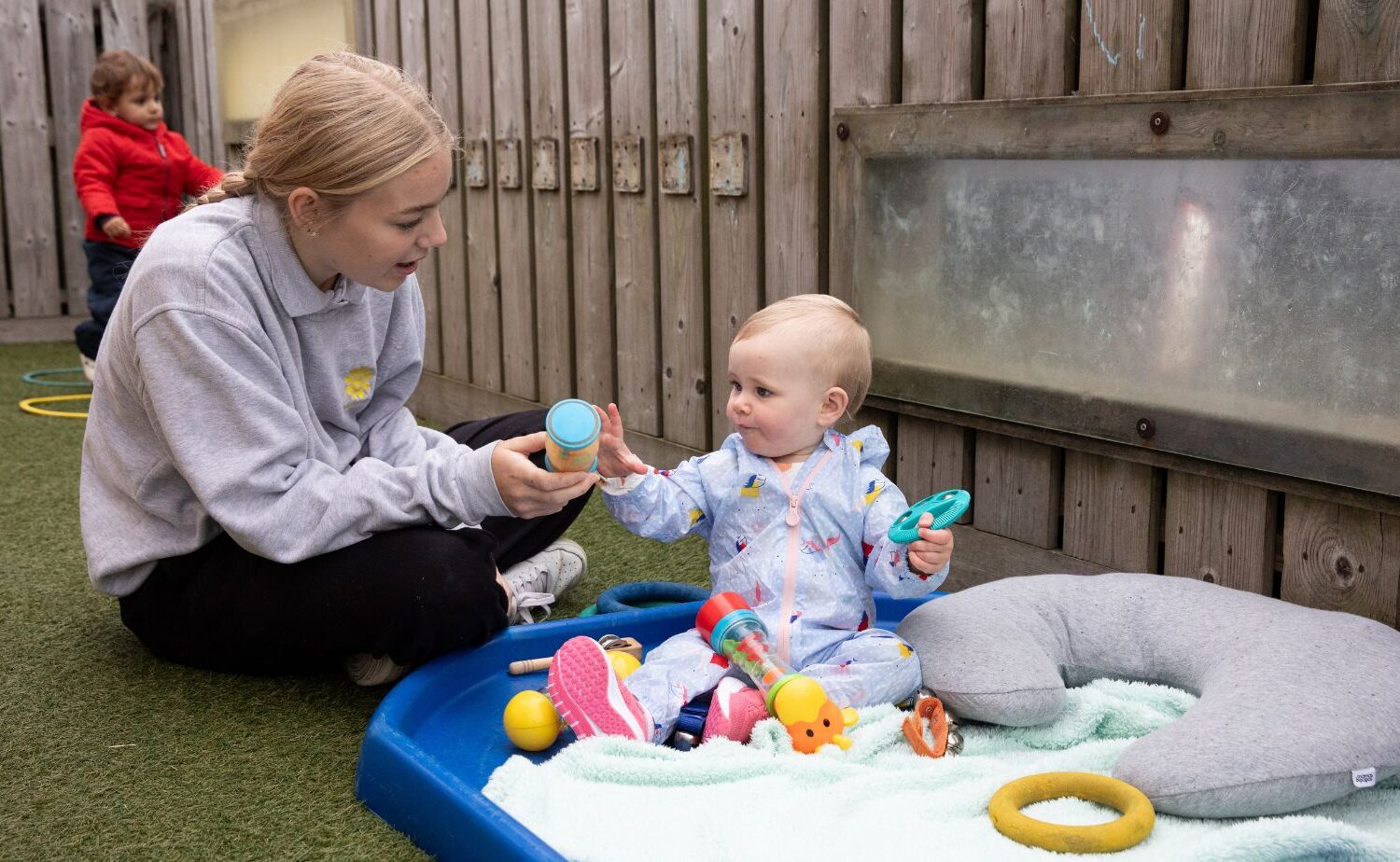
Of course, Stay and Play sessions aren’t just beneficial for parents, they’re wonderful for children too. These sessions offer rich opportunities for little ones to explore new toys, textures, and activities, helping to build early social, emotional, and physical skills.

Through play, children learn to take turns, communicate, and express themselves. Sensory activities and messy play help develop fine motor skills, creativity, and curiosity. For many, it’s also their first experience of being around other children, a great way to prepare for future nursery or preschool life.

Stay and Plays come in all shapes and sizes, and no two sessions are the same. You might find:

  • Messy Stay and Plays, where children can dive into paint, foam and textures, discovering the joy of creative play without trashing your carpet at home. 🎨
  • Music-themed sessions, filled with songs, rhythm and movement to build early language and coordination. 🎵
  • Themed adventures, like jungle or seasonal sessions, where little imaginations can run wild. 🦁

With so much variety, there’s something to suit every child’s interest and every parent’s comfort level.


A Peek Inside the Nursery

For families considering nursery care, Stay and Play sessions are also a wonderful way to see a setting in action. You can meet the team, explore the environment and get a real sense of how staff interact with children, all in an informal, relaxed way. It’s a great opportunity to ask questions (especially if you have ones on funding), observe the atmosphere and see if it feels like the right fit for your family.


Stay and Play with Happy Days

At Happy Days Nurseries & Pre-Schools, we’re proud to offer a wide range of Stay and Play sessions across our settings, from messy play and music mornings to themed ocean adventures. They’re open to all families and everyone is welcome.

In the whirlwind of early parenthood, sometimes the smallest steps can make the biggest difference. Attending a Stay and Play might only take an hour out of your week, but the benefits, connection, confidence, friendship and shared joy, can last far longer.

✨ You can find your nearest free Stay and Play and upcoming dates on our Events Page by clicking here, come along, connect and see where children (and parents!) can truly shine.

Childcare Funding in England: A Complete Guide to Making Nursery More Affordable

4 mins
Oct 07, 2025

At Happy Days Nurseries & Pre-Schools, we know that childcare is one of the biggest expenses families face. The good news? The government offers a range of funding options to help make high-quality early education more affordable and the support is only growing.

In this blog, we’re breaking down everything parents need to know about funded childcare in England: who’s eligible, how to apply, what it covers, and the extra support available.


Who’s Eligible for Funded Childcare?

The government has expanded funding in recent years, meaning many more families now qualify for help.

Here’s how it works:
From 9 months old: Children of working parents/carers may be eligible for funded hours.
From age 2: Funding is available for children of working families receiving certain benefits.
From age 3 and 4: All children automatically receive 15 hours of funded childcare, regardless of income and many working families can access up to 30 hours.

Funding begins the term after your child’s birthday. For example, if your child turns three in October, their funding starts in January.

These entitlements are designed to make returning to work or balancing family life a little easier, supporting families right up until school age.


What Counts as a “Working Parent”?

To qualify for funded hours for under 3s (and the extended 30 hours for 3–4s), each parent/carer, or the single parent/carer in a household, must:
Earn at least the equivalent of 16 hours per week at minimum wage (around £9,500 per year) and earn less than £100,000 per year.
There are some exceptions, such as if a parent is on maternity or parental leave, or has a disability.


How to Apply and Key Deadlines

Applications for funded childcare are made through the government’s Best Start in Life website (formerly known as Childcare Choices).

You’ll need to:
Create an online account.
Enter details like your National Insurance number and employment status.
Receive your code. Once approved, you’ll get a unique “funding code”, this is what you share with your nursery so they can claim your child’s funded hours.


Important Deadlines

Applications must be completed the term before your child is due to start using the funding:
31st August (for funding starting in September)
31st December (for funding starting in January)
31st March (for funding starting in April)

You’ll also need to reconfirm your details every three months to keep your code active. If you forget, your funding could be paused, so look out for reminder emails from HMRC (they sometimes end up in your spam folder!).

If your circumstances change, for example, if one parent/carer loses their job, don’t panic. There’s usually a grace period while you get back on track.

What Funding Covers (and What It Doesn’t)

One of the biggest misconceptions about funding is that it covers everything. In reality, the government funding only covers the education and childcare hours themselves, not the additional services nurseries provide.

At Happy Days, we’re transparent about this. The funding doesn’t include:

  • Meals and snacks
  • Nappies and wipes
  • Sun cream
  • Enrichment activities

To keep things simple for families, we offer our SHINE package, which includes all these extras, so there are no hidden costs and everything your child needs is taken care of.

You can also combine funding with Tax-Free Childcare to make things even more affordable. For example, you might use your funded hours for your core nursery sessions, and use Tax-Free Childcare to help pay for meals or additional days.


Stretching Funded Hours Across the Year

The government funding is based on 38 term-time weeks, like the school year. But most nurseries, including Happy Days, are open all year round.
To make this work, we can “stretch” your funded hours over 51 or 52 weeks.

That means instead of receiving 30 hours per week term-time, you’d receive around 22 hours per week all year round, the total number of funded hours stays the same, just spread out evenly.

This flexibility helps families plan for consistent childcare without breaks during school holidays.


FAQs: What Parents Ask Most

Can I split my funded hours between two providers?
Yes! You can divide your entitlement between, for example, a nursery and a childminder. You just can’t claim more than your total allowance overall.

What happens if my income changes?
If your income drops below the minimum, your funding code might stop renewing, but you’ll usually get a grace period. If your income rises above £100,000 (per parent), you’ll no longer be eligible.

Can self-employed parents/carers apply?
Yes, absolutely, you’ll just need to confirm you expect to meet the minimum income threshold across the year.

Are grandparents or guardians eligible?
If they’re the child’s legal guardian and meet the criteria, yes.

Are there other types of financial support?
Yes and many families don’t realise they can combine schemes. These include:
Tax-Free Childcare (the government adds 20% to your childcare account)
Universal Credit childcare support
Disability Access Funding
Early Years Pupil Premium (to support children from lower-income families or with additional needs)

It’s always worth checking your eligibility through the Best Start in Life website, as many parents/carers qualify for more than they expect.


Making Childcare Affordable and Transparent

At Happy Days, we want every family to feel confident and informed about childcare costs. Funded hours can make a huge difference, especially when combined with the right support schemes and flexible options.

Parents and carers can use our fee calculator to obtain an estimate of what weekly nursery fees could be, before and after the Government Early Years Entitlement Funding.

How to use our calculator:

To access our calculator, head to our affordable childcare page: Affordable Childcare – Happy Days Nursery

  • Step 1 – Select Your Nursery
  • Step 2 – Choose Your Child’s Starting Age
  • Step 3 – Confirm Funding & Discounts
  • Step 4 – Read Over Stretched Funding Information
  • Step 5 – Decide Sessions Required
  • Step 6 – View Your Calculation

    We hope this new tool helps parents and carers see that planning the cost of childcare doesn’t have to be complicated.

If you’re still unsure what you’re entitled to, talk to your nursery manager or visit:

👉 Affordable Childcare – Happy Days Nursery
👉 www.beststartinlife.gov.uk (England)
👉 Childcare Offer for Wales | Help With Childcare Costs Wales | GOV.WALES (Wales)

And remember, while funding helps cover your child’s early education, choosing the right nursery means investing in their happiness, development, and confidence, something we’re proud to support at Happy Days every day.

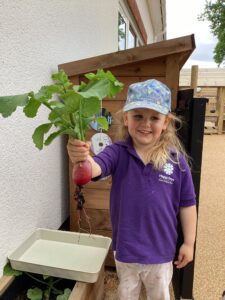
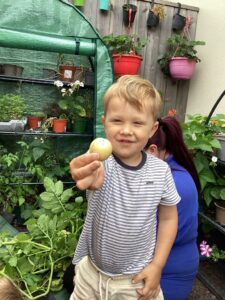
A toddler holding a beetroot and smiling

The Benefits Behind Each Meal: How Mealtimes Support Children’s Growth and Development

3 mins
Jul 17, 2025

The Benefits Behind Each Meal: How Mealtimes Support Children’s Growth and Development

Mealtimes in early childhood are about so much more than just food. They offer vital opportunities for children to learn new skills, build independence, develop social connections, and form positive relationships with eating that can last a lifetime. Understanding the benefits behind each meal helps families and educators appreciate why mealtimes deserve as much focus as play and learning.

Encouraging Independence and Confidence

Children thrive when they’re given chances to do things for themselves. Mealtimes provide the perfect setting to foster independence, from serving their own portions to pouring drinks and clearing away afterwards. These routines help develop fine motor skills and hand-eye coordination, while also boosting children’s confidence as they master new tasks.

When children are involved in these daily responsibilities, they learn to take ownership and feel proud of their achievements. This support for independence is an important foundation for many areas of development beyond just mealtimes.

Building Communication and Social Skills

Sharing meals together encourages conversation and social interaction. Whether chatting about what they’re eating, sharing preferences, or simply enjoying time with friends and carers, children practice language skills in a meaningful context. These social moments also teach turn-taking, patience, and empathy.

Positive mealtime experiences help children feel secure and valued, creating a relaxed environment where learning happens naturally alongside eating.

Exploring Tastes, Textures, and Healthy Habits

Mealtimes offer a chance to introduce children to a variety of flavours, textures, and cultural foods, encouraging curiosity and willingness to try new things. When children actively participate—whether helping prepare food or growing vegetables—they develop a better understanding of healthy choices and where food comes from.

At Happy Days Nurseries, we bring this idea to life through our Let’s Grow and Let’s Cook programmes.

Let’s Grow: Connecting Children with Nature and Food

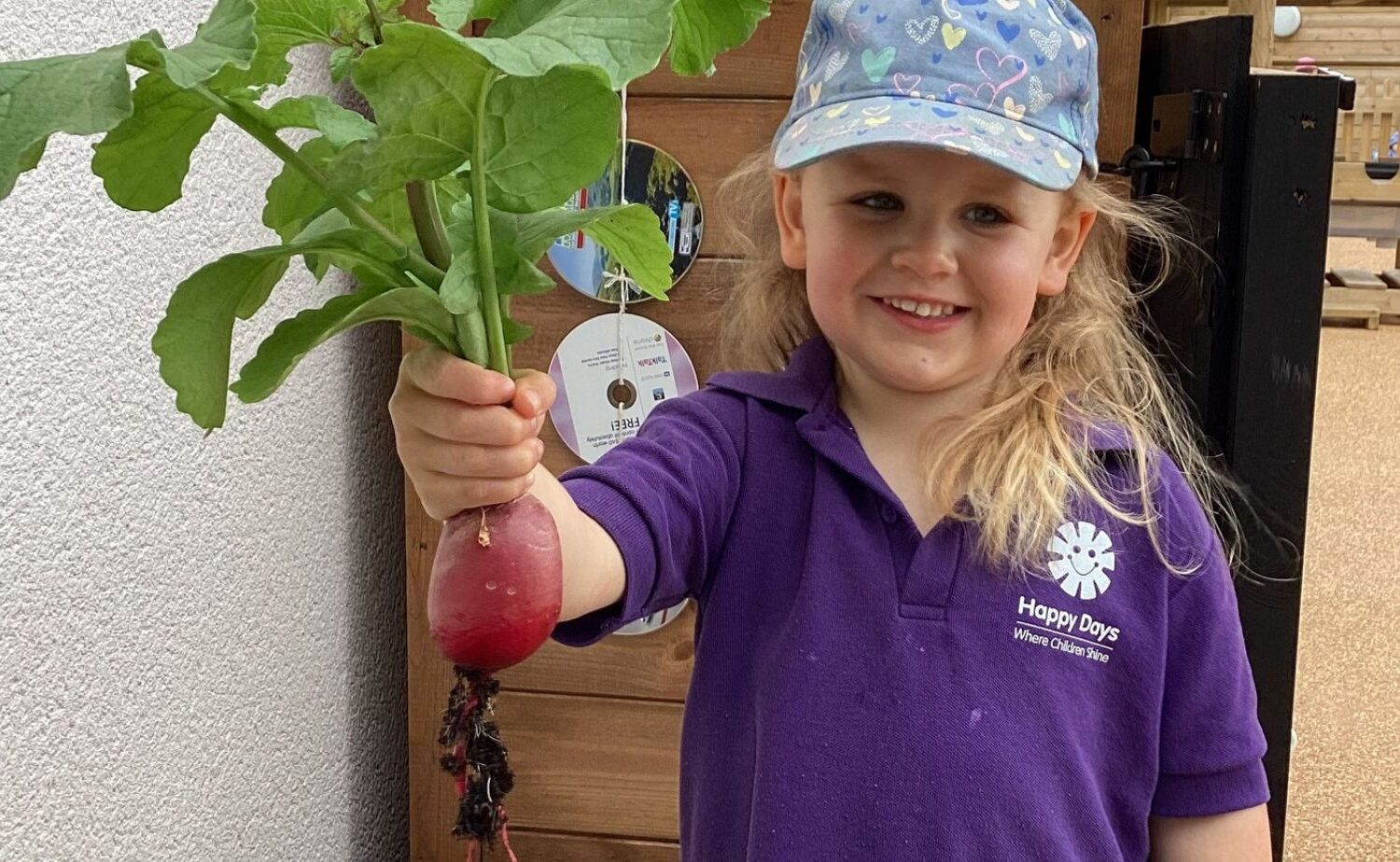
Our Let’s Grow Programme encourages children to get hands-on with nature by planting and caring for fruits, vegetables, and herbs. From sowing seeds to watering and harvesting, children experience the full food cycle, which nurtures curiosity and a deeper appreciation for what they eat.

This hands-on involvement supports sensory development, responsibility, and patience as children observe plants growing over time. It also introduces early science and math concepts—like measuring growth or counting seeds—in an engaging and natural way.

At home, parents can try simple gardening projects too. Growing cress is a fun and easy activity that only requires a shallow dish, cotton wool, and some seeds. Watching the shoots appear in just a few days offers a great opportunity to talk about plants and healthy eating while involving children in growing their own food.

Let’s Cook: Inspiring Confidence and Healthy Choices

The Let’s Cook Programme gets children involved in practical cooking activities suited to their age and abilities. From stirring batter to chopping soft vegetables or assembling snacks, children build essential fine motor skills and develop confidence.

Cooking together also strengthens language and math skills, as children follow recipes, count ingredients, and learn sequencing. Most importantly, preparing fresh, healthy food encourages positive attitudes toward eating and helps children become more adventurous with their tastes.

Parents can bring this learning home too. Simple recipes like fruit kebabs, toast with toppings, or baking cookies offer easy ways to involve children in meal preparation. Letting kids pour, stir, and assemble fosters independence and makes mealtimes fun and meaningful.

Supporting Individual Dietary Needs

Every child is unique, with different tastes, dietary requirements, and cultural preferences. Ensuring mealtimes respect and accommodate these needs is essential for their comfort and health. Tailoring food choices to meet allergies, intolerances, and family routines helps create a safe and inclusive environment for all children.

Food Safety and Quality Standards

High standards of food safety and quality are crucial for protecting children’s health. This includes careful preparation, hygiene practices, and training for all staff involved in food handling. These behind-the-scenes measures help maintain trust and confidence in the food children eat each day.

If you’d like to learn more about the nutritional principles and expert guidance that shape our menus and food preparation, please read our detailed blog on Nurturing Healthy Habits: Why Nutrition Matters.

Mealtimes offer a rich, multi-dimensional experience that supports children’s development in many areas—far beyond just nutrition. Recognising the benefits behind each meal helps us appreciate the vital role that food, routines, and relationships play in early childhood growth and learning.

Learn to Swim from Birth Safely: Building Confidence in and Around Water

3 mins
Jul 03, 2025

From the very first splash, water can be a powerful tool for learning, bonding, and safety. Teaching children to swim isn’t just about strokes and splashing, it’s about giving them lifelong skills to stay safe, build confidence, and enjoy physical activity from the earliest days.

That’s why Happy Days Nurseries & Pre-Schools is proud to announce a collaboration with Water Babies, who are leading the way in baby and toddler swimming education. Together, we’re working to ensure children gain essential water safety skills while nurturing the values and confidence they need to thrive both in and out of the pool.

Why Early Swimming Matters

  • Learning to swim from a young age helps children:
  • Build water confidence
  • Develop physical strength and coordination
  • Learn vital safety techniques such as holding onto the poolside or floating
  • Become emotionally resilient and socially engaged

And most importantly, it can save lives. According to the Royal Life Saving Society UK (RLSS UK), one child under five drowns on average every month in England, a tragic and preventable reality. Teaching water safety early gives children the skills they need to respond calmly and confidently if they ever find themselves in danger.

Water Safety at Home and Beyond

You can begin introducing water confidence at home, even during everyday bath time. It’s a relaxed, familiar environment where children can explore and play while getting used to the feel and flow of water.

Tips for building water confidence at home:

  • Stay within arm’s reach at all times
  • Use calm, positive language
  • Gently pour water over shoulders and arms
  • Sing songs and use floating toys
  • Practice simple actions like kicking or blowing bubbles

Creating a routine around bath time with all your essentials nearby (towel, shampoo, toys, clothes) also helps children feel secure and builds trust around water-based routines.

How to Get Started with Swimming Lessons

When you’re ready to move from the bath to the pool, look for a structured, supportive swimming programme designed specifically for young children. Water Babies offers lessons for babies, toddlers, and pre-schoolers, focusing on:
Progressive learning through fun and play
Safety techniques like floating and safe entry/exit
Emotional reassurance through consistent teaching and calm environments
Parent-child bonding in the water

All Water Babies teachers are qualified in the National Rescue Award for Swimming Teachers and Coaches, so you can be confident your child is in safe, expert hands.

Shared Values: Why This Collaboration Makes Sense

At Happy Days, we believe every child deserves the opportunity to shine. Our “Where Children Shine” curriculum supports each child as a Healthy, Independent Explorer — promoting active lifestyles, physical confidence, and safety awareness from the start.
The collaboration with Water Babies perfectly aligns with this approach. Just as our curriculum nurtures resilience, confidence, communication, and independence, Water Babies lessons are designed to empower children through physical and emotional growth in the water.

Together, we are committed to:
Creating safe, supportive environments for children to explore and take risks
Encouraging healthy habits for lifelong wellbeing
Celebrating individuality while developing vital life skills
Supporting parents and carers every step of the way

Whether it’s practicing sun safety, learning to self-serve at mealtimes, or developing coordination in the water, both Happy Days and Water Babies champion a holistic approach to early years development, where safety, fun, and growth go hand in hand.

It’s Not Just About Swimming, It’s About Confidence for Life

As one Water Babies teacher shared: “It’s not just about teaching swimming; it’s about building trust, confidence, and connections. I’ve had the privilege of bonding with incredible children and their families. Watching children grow, learn life-saving skills, and become confident in the water fills my heart every day.”

It’s a feeling we share across all Happy Days settings, seeing children thrive as they explore, move, learn, and grow with confidence.

Final Thoughts

Whether you live near the coast, enjoy the occasional trip to the pool, or simply want to build your child’s physical skills and confidence, teaching water safety from birth is one of the most important things you can do.

At home, in nurseries, and in the pool, let’s all play a part in giving children the tools they need to be safe, strong, and resilient around water and in life.

A plate of fruit with pineapple, strawberries, and raspberries

Nurturing Healthy Habits: Nutrition Benefits for Children

3 mins
Jun 19, 2025

Nurturing Healthy Habits: Nutrition Benefits for Children

Nutrition is the foundation for a child’s healthy development—both physically and mentally. The early years are a crucial time for establishing eating habits, supporting brain development, and building the energy and strength children need to explore, learn, and grow. Understanding the importance of good nutrition during this time can make a significant difference in a child’s lifelong health and well-being.


A Balanced Diet for a Strong Start

Children under five require the right mix of nutrients to support their rapid growth and development. This includes a variety of tastes, textures, colours, and food types that encourage healthy eating habits and help children develop a positive relationship with food.

Offering children a varied menu with fresh, balanced meals helps provide the energy and nourishment they need throughout the day. Meals that incorporate a range of fruits, vegetables, whole grains, and protein sources expose children to new flavours and cultures, making mealtimes both enjoyable and educational.

For example, some settings prepare warm, comforting dishes like homemade pasta bakes, stews, and curries, alongside fresh snacks such as fruit, vegetable sticks, and whole grain crackers. Tasty yet healthy desserts like yoghurts or fruit-based treats also provide a balanced approach to sweet options.


Fresh, Thoughtful Preparation

Freshly prepared meals made on-site from quality ingredients ensure children receive nutritious food every day. Trained cooks and chefs take care in preparing meals safely while often involving children in food-related activities. This hands-on approach helps children learn about ingredients, develop life skills, and understand where their food comes from—making mealtimes part of a wider learning experience.

Taking Allergies and Dietary Needs Seriously

For many families, food is not just about preferences—it’s about safety. It is essential for childcare settings and parents alike to communicate clearly about any food allergies, intolerances, cultural or religious dietary requirements, and weaning stages.

Tailoring food choices to meet these individual needs creates a safe and inclusive environment. This includes strict food safety procedures such as clearly labelled meals, separate preparation areas when necessary, and regular staff training on allergen management.


Encouraging Independence and Positive Mealtime Routines

Mealtimes offer valuable opportunities for children to build independence and social skills. Older children benefit from serving themselves using child-friendly utensils, pouring their own drinks, and clearing away after eating. These routines foster confidence, motor skills, and language development as children talk with peers and carers about what they are eating and how it tastes.

These practical routines also support the development of independence skills, helping children feel capable and involved in their own care.

For babies and toddlers, introducing a carefully planned weaning menu that aligns with health guidelines and works alongside family routines supports a smooth transition to solid foods.


Food Safety and Quality You Can Trust

Ensuring kitchens meet strict hygiene and food safety standards is vital to protecting children’s health. Regular inspections by health authorities and well-trained staff provide families with peace of mind that the meals served are safe and of high quality.


Why It Matters

Good nutrition in early childhood fuels the body, supports development, and shapes attitudes towards food that can last a lifetime. By combining expert advice, fresh ingredients, and thoughtful mealtime practices, parents and caregivers can help children develop healthy habits that support their growth, wellbeing, and confidence.
Whether your child is just starting solids, exploring new tastes, or developing independence around food, focusing on the benefits behind each meal can nurture a positive and lasting relationship with eating.


A Practical Example from Happy Days Nurseries & Pre-Schools

At Happy Days Nurseries & Pre-Schools, we put these principles into practice by working closely with qualified nutritionists and dietitians to design balanced, seasonal menus. Our trained nursery chefs prepare fresh meals daily using high-quality ingredients, and we carefully consider each child’s individual dietary needs, including allergies and cultural preferences.

We also encourage children to take an active role in mealtimes—serving themselves, pouring drinks, and clearing up—to support their independence and communication skills. This approach is part of our wider curriculum that nurtures healthy habits and wellbeing from the earliest stages.

Our commitment to quality nutrition is reflected in the Early Years Alliance Quality Mark for Nutrition, recognising our dedication to promoting excellent nutrition standards in early years settings.

A group of people, some in wheelchairs. At the front is a woman and young child high-fiving

The Power of Intergenerational Music and Movement at Happy Days Nurseries

5 mins
May 30, 2025

Bringing Generations Together Through Music: Intergenerational Connections at Happy Days Nurseries

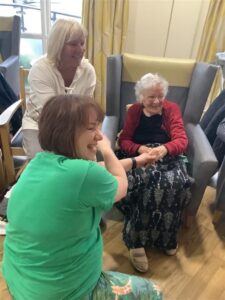
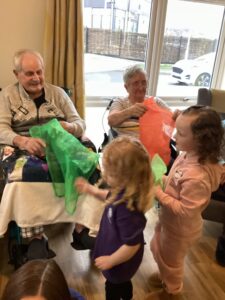
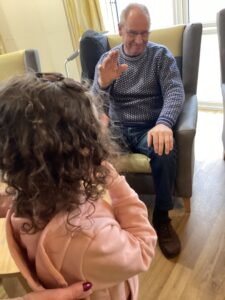
At Happy Days Nurseries, we believe in creating rich, meaningful experiences that go beyond early education. One of the most heartwarming and impactful ways we do this is through intergenerational music and movement sessions. These joyful experiences connect children with older generations in local care homes, using music and movement to build bonds, enhance learning, and bring communities together. Our commitment to community, wellbeing, and child development shines through in initiatives like this—brought to life through the Boogie Minis Programme (part of the Boogie Mites family of programmes).

This joyful and impactful initiative has become a key part of our approach at Charlton Heights, where children develop vital early learning skills while forming beautiful bonds with older generations in local care homes. We are excited to explore expanding this activity to other nurseries in the future.


What is Boogie Mites?

The Boogie Mites School Ready Programme (which all our nurseries deliver) uses music, rhythm, and movement to develop children’s communication, language, and early literacy skills. With 25 songs directly linked to Letters and Sounds Phase One, the programme enhances phonological awareness, listening skills, and sound recognition—all through fun, upbeat, and neuroscience-backed activities.

Each song has been specifically written to capture the imagination of young children, incorporating diverse music genres, fun lyrics, and great melodies to develop rhythmic and melodic awareness. This programme recognises the importance that daily music and singing play in building strong foundations for early language acquisition and literacy skills, including sound recognition and phoneme awareness.

Our trained Boogie Mites Ambassadors lead children in daily music sessions that build confidence, coordination, creativity, and connection.


The Magic of Intergenerational Music and Movement

At Charlton Heights, we’ve introduced intergenerational music and movement sessions that go beyond simple visits. These are meaningful experiences where small groups of children bring music, dance, and storytelling into care homes, creating a powerful connection between generations.

The structure and spontaneity of these sessions, led by our Boogie Mites-trained practitioners at Charlton Heights, form the foundation of our intergenerational music and movement approach. It’s more than just singing—it’s about nurturing empathy, building confidence, and bringing communities together through shared rhythm and joy.


Why Intergenerational Sessions Matter

These visits go far beyond entertainment—they’re powerful opportunities for connection, development, and joy. Here are just some of the benefits we’ve seen across generations:

Building Social and Emotional Skills
Children learn empathy, patience, and communication as they interact with people of a different age group. Many of our children don’t have regular contact with older adults, especially grandparents who live abroad. These visits help bridge that gap, creating emotional connections and expanding their worldview.
Encouraging Physical Activity and Coordination
Boogie Mites sessions are filled with movement—clapping, marching, dancing, and playing instruments. For children, this supports motor development. For elderly residents, it provides gentle exercise that improves mobility, circulation, and overall wellbeing.
Supporting Communication and Confidence
Music gives children a voice—even when they can’t always find the words. Singing and performing with an audience builds self-esteem. Meanwhile, elderly residents enjoy a renewed sense of purpose and engagement, often showing increased communication and participation.
Learning About Respect and Diversity
Interacting with older adults helps children understand ageing, differences in ability, and the value of every individual. They develop a deeper respect for others and learn how to adapt their behaviour in different social settings.
Creating Joyful Moments for Residents
The happiness and laughter children bring during these visits are genuinely uplifting. Residents who may be shy or withdrawn often light up, singing along, tapping feet, and joining in. As one care home manager shared, “We’ve seen increased engagement from residents who are usually quite reserved. The music creates a positive atmosphere that’s infectious.”


Strengthening Community Bonds

At the heart of these sessions is a sense of community. Our nursery teams, care home staff, children, and residents work together to build lasting relationships that bring joy, purpose, and learning to all involved.


A Thoughtfully Designed Programme

Our team at Charlton Heights works closely with care homes to plan and deliver sessions that are inclusive and supportive. From rehearsing songs to preparing homemade instruments and visiting care homes in advance, we take care to ensure everyone feels safe and comfortable.

Charlton Heights has found that small groups of around five children work best—allowing for meaningful interactions without overwhelming elderly residents. Children now lovingly refer to residents as their “older friends,” and many initiate Boogie Mites sessions themselves back at nursery—a true sign of confidence and connection.


Boogie Mites and the Where Children Shine Curriculum

At Happy Days Nurseries, Boogie Mites is a core part of our ambitious, broad, and balanced Early Years Curriculum—“Where Children Shine.” This curriculum provides opportunities for children to learn, explore, and discover while attending nursery, supporting them to reach their full potential and become strong, motivated learners for life.

In England, this curriculum supports the delivery of the seven education programmes as defined within the Statutory Framework for the Early Years Foundation Stage. It values children as unique, strong, and resilient individuals and recognises that play is a fundamental aspect of a child’s learning and development.

In Wales, Happy Days’ ambitious, broad, and balanced curriculum—Where Children Shine—has been adapted to support children in realising the four purposes of the Curriculum for Wales, focusing on the needs of the developing child through the five developmental pathways. It values children as unique, strong, capable, and resilient individuals and recognises that play is fundamental for children’s learning and development. The delivery of the curriculum will support and extend children’s knowledge and skills.

“Where Children Shine” is built on four key aspects, underpinned by seven core Educational Programmes:

  • Communication and Language
  • Physical Development
  • Personal, Social and Emotional Development
  • Literacy
  • Mathematics
  • Understanding the World
  • Expressive Arts and Design

Boogie Mites sits within our first key aspect: Strong & Confident Communicator. This part of the curriculum helps children build essential communication and confidence skills through programmes that support listening, understanding, and expression—crucial for development both now and in the future.

Each nursery delivers the following programmes to support this aspect:

  • Awe & Wonder Book Club
  • Letters & Sounds
  • Sing & Sign
  • Babbling Babies & Toddler Talk
  • Musical Matters
  • Boogie Mites


Through Boogie Mites, children engage with neuroscience-informed music that enhances their communication, emotional expression, and school readiness. Each session lays the groundwork for a love of language and learning.


Looking Ahead: A Community in Harmony

We’re proud of the positive impact these sessions have had at Charlton Heights—from boosting school readiness to enhancing wellbeing across generations. The laughter, the learning, and the shared experiences are helping to shape children who are not only school-ready, but world-ready—with compassion, confidence, and curiosity.

As one of our Nursery Managers beautifully said: “It has been wonderful watching our children’s confidence grow with each interaction. Every time I walk into the room, the children ask, ‘Are we going to the care home today?’ That excitement says it all.”

At Happy Days Nurseries, we’re proud to be building bridges between generations—one song, one smile, and one shared moment at a time. Stay tuned for more stories from across our nurseries as we continue to celebrate the joy of learning together.

Girl learning about children's good oral health by practicing with a giant toothbrush and toy mouth.

The Importance of Children’s Oral Health & How to Encourage Good Habits

2 mins
Apr 04, 2025

Children’s oral health: The Importance of Children’s Oral Health & How to Encourage Good Habits

At Happy Days Nurseries, we understand that developing healthy habits in early childhood lays the foundation for lifelong well-being. One crucial aspect of this is good oral health. As part of our Where Children Shine curriculum, we incorporate the Cornwall Healthy Under Fives Programme and the Dental Buddy Programme, accredited by the Oral Health Foundation, to teach children the importance of looking after their teeth.

Why Children’s Oral Health Matters

Focus on the importance of children’s oral health and its impact on overall well-being.

Tooth decay is largely preventable, yet it remains one of the most common health issues among young children. In England:

  • Nearly a quarter of 5-year-olds have tooth decay.
  • On average, affected children have three to four decayed teeth.
  • Tooth extraction is one of the most common procedures for children under six in hospital settings.

Poor oral health can lead to pain, infections, and difficulties with eating and speaking, affecting a child’s overall health, confidence, and well-being. Ensuring children develop good brushing habits early on can prevent these problems and set them up for a lifetime of healthy smiles.

Tips for Encouraging Healthy Oral Habits in Children

Practical ways to promote children’s dental care and good oral hygiene.

Making oral hygiene fun and engaging helps children form positive habits that last. Here are some practical ways to encourage proper dental care:

1. Start Brushing Early

From the moment first teeth appear, begin brushing with a soft-bristled toothbrush and fluoride toothpaste. For children under three, use a rice grain-sized amount of toothpaste, increasing to a pea-sized amount from age three onwards.
2. Make Brushing a Fun Activity

  • Use a colourful toothbrush or one with their favourite character.
  • Play their favourite song for two minutes while they brush.
  • Turn it into a game, like a “tooth-brushing challenge” to clean every tooth!

3. Set a Good Example

Children love to imitate adults! Brushing your teeth alongside them shows that it’s a normal and essential part of daily life.

4. Encourage a Healthy Diet

Limit sugary snacks and drinks, which contribute to tooth decay. Instead, provide tooth-friendly foods like fruits, vegetables, dairy products, and water.

5. Regular Dental Check-ups

Children should visit the dentist by their first birthday and continue with regular check-ups every six months to monitor their oral health.

How Happy Days Nurseries Supports Children’s Oral Health

Learn about our Oral Health Programme and initiatives to encourage healthy smiles.

Through our Oral Health Programme, we promote daily habits that support children’s well-being, ensuring they have the knowledge and skills to maintain healthy teeth. This programme is part of our wider curriculum, which also includes initiatives like:

By embedding active and healthy habits into children’s daily routines, we aim to set them up for a lifetime of good health and confidence.

Join Us in Promoting Healthy Smiles!

We encourage all families to support their children’s oral health at home. By working together, we can ensure that every child has the opportunity to grow up free from tooth decay and with a bright, happy smile!

For more information on how we promote oral health at Happy Days Nurseries, feel free to speak with your nursery team or visit the Oral Health Foundation’s website for additional resources.

Boy coloring as part of a positive transition to school, building fine motor skills and creativity.

Positive Transition to School: Expert Tips for a Smooth Start

3 mins
Mar 28, 2025

Positive Transition to School: Expert Tips for a Smooth Start

Starting school is a significant milestone, and ensuring a positive transition to school can set the tone for your child’s success. While this change can feel overwhelming for both children and parents, with the right preparation and encouragement, you can help your child feel confident, comfortable, and excited about their next step in education.

Tips for supporting your child’s Positive Transition to School

Here are some practical steps you can take to support your child:

1. Encourage Independence: Help your child practice skills such as dressing themselves, using the toilet independently, and tidying up after play. These self-care skills are vital for building confidence at school..

2. Develop Listening Skills: School requires lots of listening. You can promote this skill by talking to your child about their day and carefully listening to their responses. By doing this, you are role-modelling effective listening skills, which are crucial for a positive transition to school.

3. Build Communication Skills: Encourage storytelling, and read books together that focus on starting school. This helps children express themselves and prepares them for classroom discussions.

4. Practice Fine Motor Skills: Before letters, numbers, or pictures come simple marks. Mark-making is a fantastic way to build early writing skills, which are essential for a positive transition to school.

  • Painting the shed with water
  • Writing with sticks in mud
  • Zooming toy bikes or cars through puddles to make tracks
  • Sketching with chunky chalks on tarmac

5. Encourage Problem-Solving: Everyday challenges involve problem-solving, which makes your child a natural mathematician. Simple activities such as counting items during play or sorting objects by size or colour can encourage these skills.

6. Self-Care and Hygiene: Support your child in managing their personal hygiene. Practicing using the toilet independently and washing and drying their hands will help them feel more confident at school, contributing to a positive transition to school.

7. Dressing Practice: Try practice sessions where your child gets dressed in their school uniform (or designated ‘school clothes’). This reduces stress on the first day and helps them manage dressing for PE sessions.

8. Lunchtime Skills: Playing games like ‘cafés’ and encouraging your child to carry a small tray can prepare them for lunchtime routines. Practicing with a knife, fork, and spoon can help too, ensuring a smooth positive transition to school.

9. Shoe Independence: Teach your child how to put on their shoes and manage the fastenings. Choosing shoes that are easy to manage will also make this step easier.

10. Scissor Skills and Fine Motor Development: Encourage your child to use child-sized scissors and develop their crayon grip. Picking up small objects with their thumb and first two fingers strengthens hand muscles, preparing them for writing tasks.

11. Establish a Routine: A good bedtime routine in the weeks before school starts can help children adjust to the school day. Regular breakfast and morning routines will also support a positive transition to school.

12. Emotional Readiness: Remember, children don’t need to be able to read, write, or do sums before they start school. What’s most important is that you enjoy time together and focus on developing confidence, independence, and curiosity, all key aspects of a positive transition to school.

Checklist for Parents

To support a positive transition to school, here’s a checklist of things to keep in mind:

  • Do you know where to take your child and at what time?
  • Do you know where to collect your child and at what time?
  • Are you aware of what equipment your child needs for the first few days (e.g., PE kit, book bag, spare clothes)?
  • Does your child know where to hang their coat and PE kit?
  • Does your child know who will be collecting them each day?
  • If your child is attending an after-school club, do they know what to expect?
  • Do you know if you are expected to settle your child into the classroom or if they should go in alone?
  • Have you clearly labelled your child’s belongings?

How Happy Days Supports Transitions

At Happy Days Nursery, we run a 16-week Positive Transition to School programme as part of our ‘Where Children Shine’ curriculum. This structured programme includes a road map of key skills children need before starting school. Over the 16 weeks, parents receive weekly activity cards with fun and engaging ideas to reinforce learning at home. Regular updates via iConnect also allow you to celebrate your child’s milestones along the way. If you’d like to know more about our programme, please get in touch!

Encouraging social and emotional development in early childhood

2 mins
Nov 12, 2024

The early years of your child’s life can play a massive part in their social and emotional development, as they begin to navigate the world around them, learn to how interact with others and build confidence.

In this blog, we’ll explore how nursery can help develop your child’s social skills, share tips for encouraging friendships, and suggest ways to help your little one socialise outside the nursery environment.

1. How nursery can help socialise your child

Childcare provides the perfect environment for your child to interact with others and develop crucial social skills.

This environment helps children build essential skills like sharing, taking turns, and cooperating with their peers—key elements in forming friendships and managing relationships later in life.

Our curriculum places a strong emphasis on communication and emotional development, with Strong and Confident Communicator as one of its core pillars. Children are also encouraged to develop a positive sense of self, supporting confidence, and build strong relationships to create Resilient & Motivated Individuals.

Through our play-based learning approach, children take part in group activities, storytelling, and collaborative projects, all designed to encourage self-expression and communication.

Children can enhance key skills including eye contact, body language, paying attention, how to actively listen and express their emotions.

This emphasis on social interaction not only fosters strong communication skills but also contributes to a positive transition to school, preparing children for the next steps in their learning journey.

2. Encouraging your child to make friends inside and outside of nursery

Making friends is a big part of your child’s social journey. Here are some tips to help encourage those connections:

Arrange playdates

Organising playdates with nursery friends can help strengthen their bonds. This relaxed setting allows your child to feel comfortable and develop friendships outside of the nursery.

Join local groups

Look for community activities like sports, art or dancing. These groups give your child the chance to meet new friends while engaging in fun and stimulating activities.

Promote sharing and teamwork

Reinforce the importance of sharing and cooperation during playtime at home. Encourage your child to invite others into their games and to be mindful of their friends’ feelings.

Model positive social behaviour

Children learn a lot by watching adults. Show them how to engage with other people in the right way, whether it’s greeting a neighbour or chatting with other parents. Your example can help them understand.

3. Activities to help a child socialise outside of the nursery environment

While nursery plays a crucial role in social and emotional development in early childhood, there are plenty of ways to encourage your child’s social and emotional skills in their everyday life:

Family outings

Plan trips to parks, museums, or local events where your child can interact with others. These outings expose them to different social situations and help build confidence.

Encourage independent play

Let your child play with friends in safe outdoor spaces. These activities promote the benefits of outdoor learning, as well as building confidence and resilience as they navigate social interactions.

Participate in community events

Join in on local festivals or community gatherings as a family. These occasions create relaxed environments for your child to meet and interact with a variety of people.

Engage with neighbours

Encourage your little one to play with children in the neighbourhood. Simple activities, like inviting friends over or joining in on outdoor play, can significantly boost their social skills.

4. Learn more about Happy Days Nurseries

At Happy Days Nurseries, we’re dedicated to supporting your child’s emotional and social development in early childhood.

We’re passionate about supporting the development of the children in our care both when they’re at nursery, and when they’re at home, sharing effective tips and guidance for parents.

To learn more about how we support positive transitions to school and foster social development, visit our curriculum page or find a nursery near you.

Get in touch if you have any questions by calling 0800 783 3431 or emailing [email protected].

Child understanding the importance of personal hygiene

Why is personal hygiene important for children?

3 mins
Oct 09, 2024

Children are naturally curious and constantly exploring their surroundings, which can often bring them into contact with dirt and germs.

Establishing healthy habits and good personal hygiene early on can be invaluable for a child’s long-term health and well-being. These habits not only protect them from harmful germs, infections and illnesses as they grow and explore, but also set the stage for a lifetime of self-care and maintaining a healthy environment for everyone around them.

Estimates suggest that round 12% of children in England may have decay in their teeth by as early as three-years-old. A child in England has a rotten tooth removed every 10 minutes.

In this blog, we explain the importance of an effective and enjoyable hygiene routine for your child and share a simple routine you can implement at home.

1. Establishing good oral hygiene for children

Tooth decay can be a big problem among young children, affecting almost a quarter of youngsters. The good news is that it is largely preventable.

If you teach your child habits such as brushing their teeth twice a day (once just before bedtime and once in the morning) and flossing from a young age, it sets them up for a lifetime of strong, healthy teeth and gums.

Healthy teeth support speech development and chewing. Baby teeth also act as placeholders for adult teeth, so maintaining their health is crucial for correct alignment and future oral health.

To make routines easier, you can even introduce fun activities like allowing your child to choose their own toothbrush or incorporating a brushing timer to help these habits become second nature.

2. Don’t forget sleep hygiene for children

Good personal hygiene for children doesn’t stop with physical cleanliness; it extends to promoting healthy sleep habits.

Sleep hygiene is about creating an environment and routine that supports restful sleep.

We recommend making sure your child’s sleep space is clean and comfortable, and you should establish a consistent bedtime routine where possible to help get prepared to fall asleep.

Limiting screen time before bed, incorporating a calming activity like reading, and keeping the room dark and temperature comfortable will help your child get the rest they need to maintain their physical, mental and emotional wellbeing.

If you’re looking for more stress free bedtime tips, we’ve got you covered in our recent blog.

3. Creating a daily hygiene routine for children

Here’s a simple plan for promoting good hygiene for children 5 years and under:

Hand washing

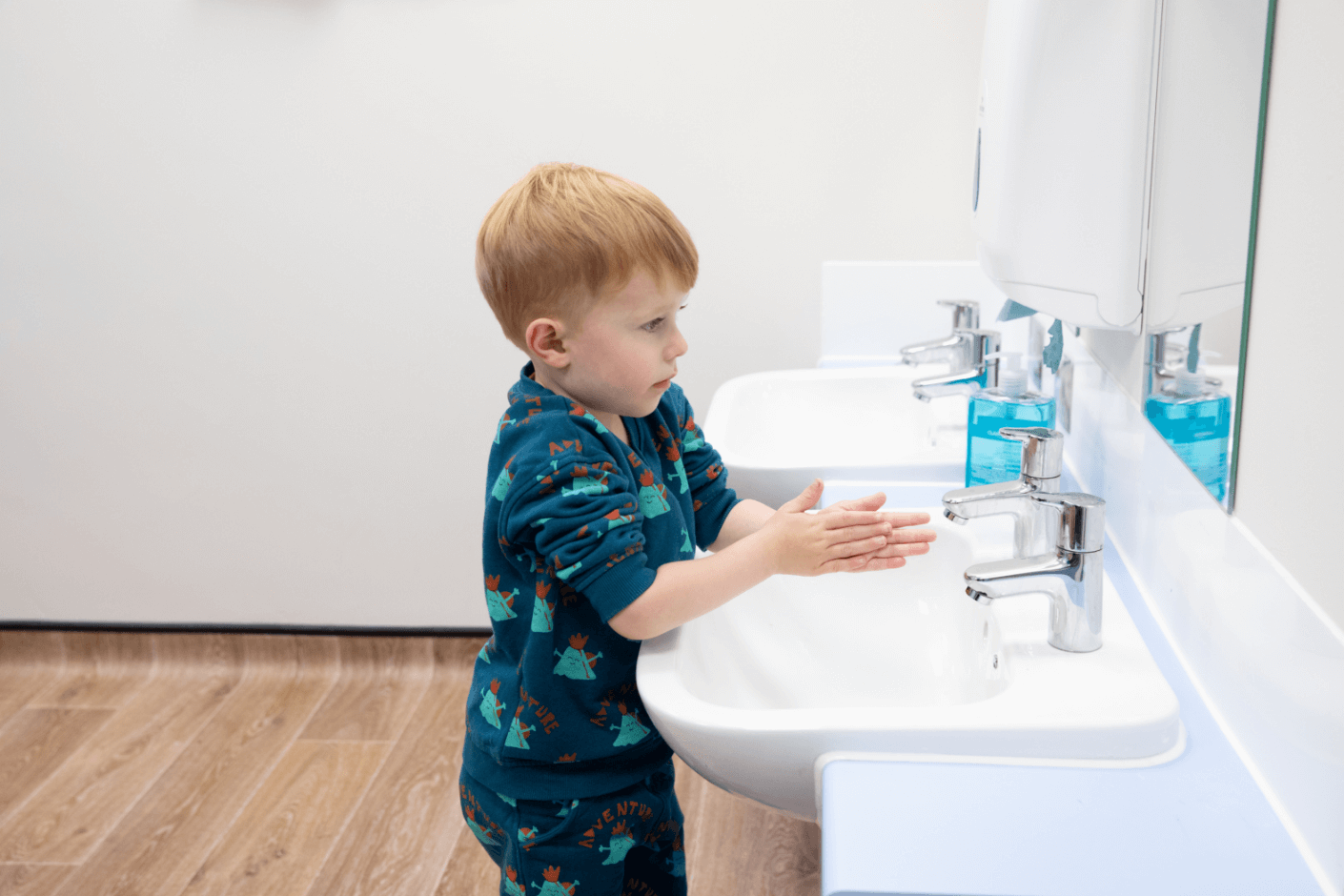
Teach children to wash their hands before meals, after playing outside, and after using the toilet. Show them the correct way to wash their hands: with soap and water for at least 20 seconds.

Brushing teeth

Ensure your child brushes their teeth for two minutes, twice a day, once in the morning and again before bed. Parents can help younger children with brushing until they develop the motor skills to do it effectively on their own.

Bathing

Regular baths or showers help maintain clean skin, remove sweat, dirt, and bacteria, and promote overall freshness. Encourage your child to bathe or shower daily, especially after active play or outdoor activities. Rember that young children should never be left to bathe unattended.

Nail care

Keeping nails trimmed prevents the build-up of dirt and bacteria that could lead to infections. Make nail trimming a regular part of your child’s routine and teach them to gently clean beneath their nails to ensure proper hygiene.

Hair care

Brushing hair daily helps to distribute natural oils from the scalp, keeping hair healthy and shiny while preventing tangles and knots. Depending on your child’s hair type, regular washing with a gentle shampoo is also important to remove dirt and excess oils.

4. Get in touch for more information

As a leading nursery chain operating in the Southwest of England and South of Wales, helping young children prepare for school with purpose-built facilities and a specialist curriculum of learning, we’re no strangers to expert child care.

We’re passionate about supporting the development of the children in our care both when they’re at nursery, and when they’re at home, sharing effective tips and guidance for parents.

Get in touch if you have any questions by calling 0800 783 3431 or emailing [email protected], or use our Find a Nursery tool to see which of our nurseries or preschools is closest to you!