
The Benefits of Reading to Children: Why Stories Matter in the Early Years

2 mins
Jan 27, 2026

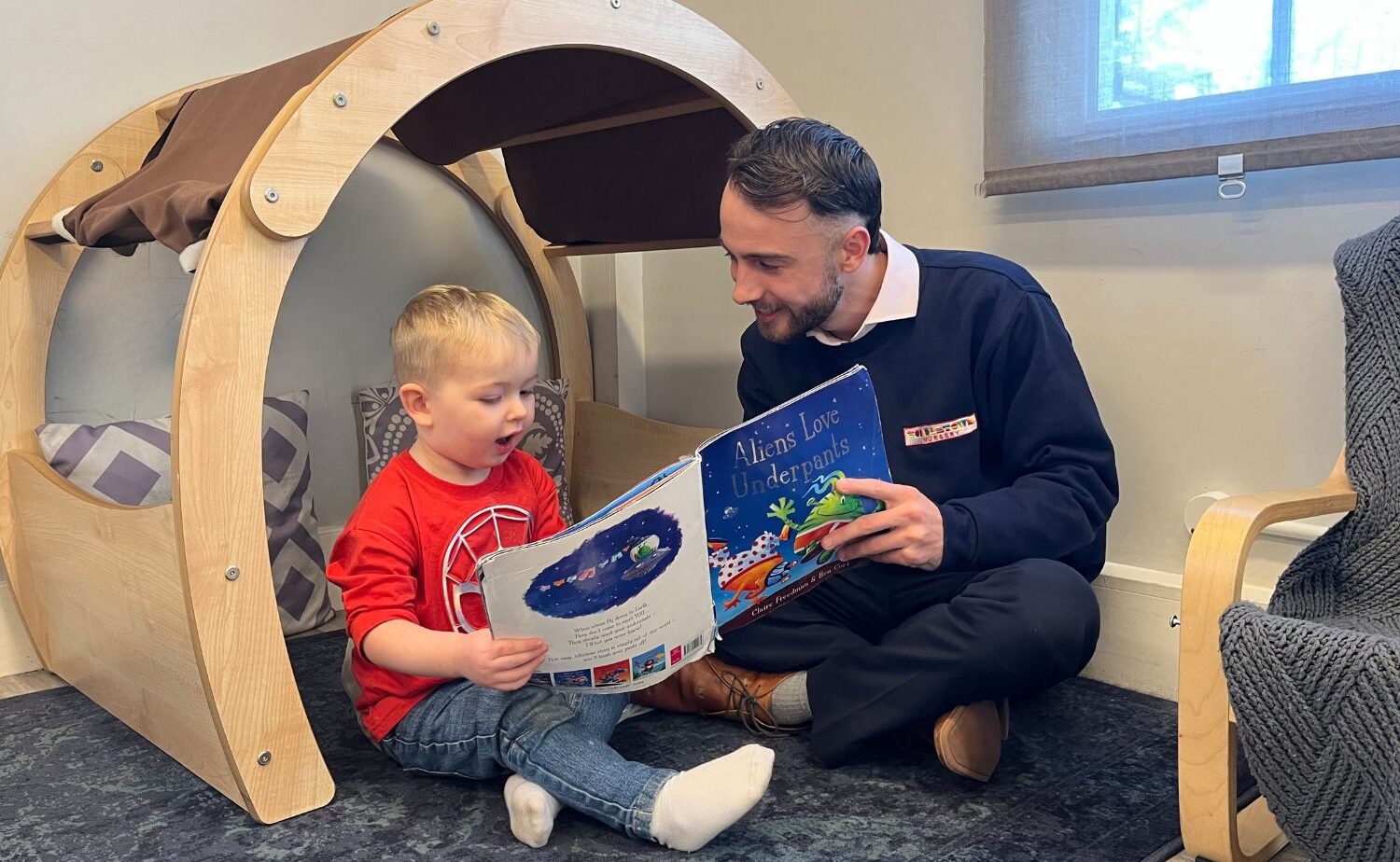
There’s something special about story time. A familiar book, a comfortable space and a moment of calm connection can become one of the most powerful parts of a child’s day. While reading may feel simple, the impact it has on early development is anything but. The benefits of reading to children reach across communication, emotional wellbeing, imagination and confidence, helping children thrive both in nursery and at home.

At Happy Days Nurseries, storytelling plays an important role in everyday life. From shared group stories and cosy book corners to songs, rhymes and interactive storytelling, children are surrounded by language in ways that feel joyful and meaningful. These experiences help children build the foundations they need for learning, while also fostering a genuine love of stories.

Why reading matters so much in early childhood

In the early years, children’s brains are developing at an incredible pace. Reading aloud introduces children to new words, sounds and sentence structures, supporting language development long before children begin to read independently. It also strengthens listening and concentration skills, helping children learn how to focus, follow a sequence and make sense of what they hear.

One of the most important benefits of reading to children is the opportunity it gives them to explore emotions and relationships. Stories help children recognise feelings, understand different perspectives and develop empathy, whether it’s learning how characters solve problems, navigate friendships or manage big emotions.

What makes a perfect story for children?

Not all stories are created equal when it comes to engaging young minds. The stories children connect with most tend to have:

  • Simple, rhythmic language that’s enjoyable to listen to
  • Repetition that builds confidence and familiarity
  • Characters children can relate to
  • Opportunities for interaction, such as predicting what might happen next

Stories that invite children to join in, through actions, sounds or repeated phrases, encourage active participation rather than passive listening. This makes story time more engaging and supports confidence in communication.

Music and rhythm also play an important role. Songs, rhymes and stories with strong patterns help children tune into sounds, supporting early phonological awareness in a way that feels natural and fun.

The School Reading List has put together recommended book lists for children and teens, from early years right through to Year 11. Each age group has its own downloadable, bookshelf-style poster, making it easy to find stories that might spark interest or become a new favourite at home. Whether you’re enjoying picture books together or supporting older children to choose what to read next, it’s a gentle, practical way to encourage a love of reading for pleasure. Click here to discover your recommended books.

Creating meaningful story moments at nursery and at home

At Happy Days, stories are more than just books. They’re part of how children explore ideas, express themselves and make sense of the world. Storytelling might happen outdoors, through role play, during group time or woven into everyday activities. These shared moments help children feel secure, valued and confident to share their thoughts.

At home, reading together doesn’t need to be complicated. A short story, a favourite book read again, or even talking through pictures can all have a positive impact. The benefits of reading to children come from the shared experience, the conversation, the closeness and the enjoyment of spending time together.

Celebrating National Storytelling Week

National Storytelling Week is a wonderful reminder of the power stories hold in children’s lives. It celebrates reading, oral storytelling and creativity, encouraging children to explore language in ways that feel exciting and accessible. Whether through books, songs or imaginative play, storytelling helps children build skills they’ll use throughout their lives.

By making stories part of everyday routines, we’re helping children grow into confident communicators, curious thinkers and happy learners, one story at a time.

🏡 Biggest Open House at Happy Days Yeovil

📅 Saturday 7 February 2026 | ⏰ 10am–1pm

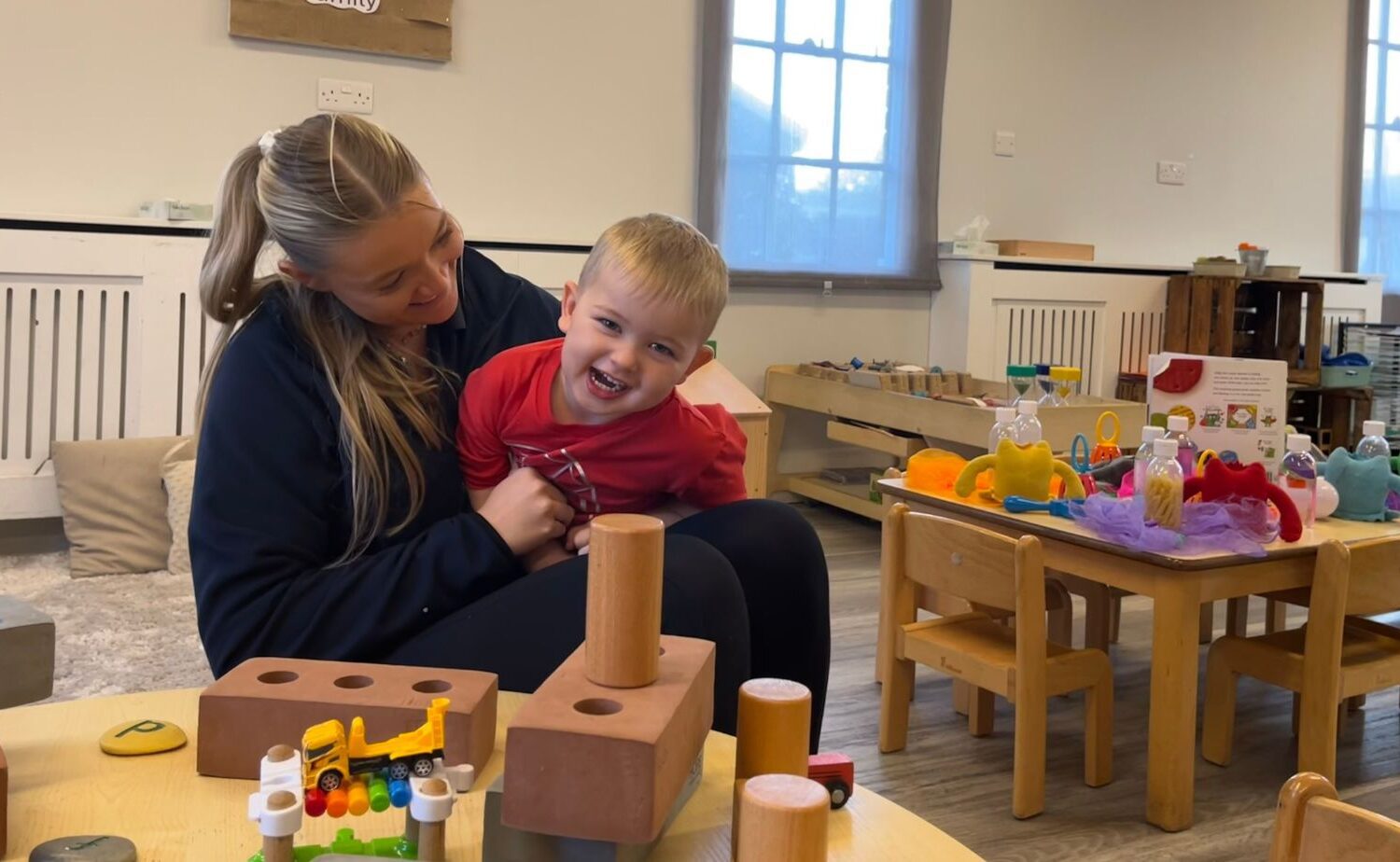
We’re delighted to be opening our doors in Yeovil for our Biggest Open House, welcoming families and the local community to come along, look around and experience life at Happy Days.

This is a drop-in, no-pressure open house where children can explore freely and families can take their time discovering our calm, light-filled nursery, free-flow indoor–outdoor spaces and purpose-built pre-school.

There’s plenty happening across the morning, with playful, child-led experiences indoors and outdoors, from movement and music to creative play, outdoor exploration 🌿 and the everyday nursery moments that support learning through play.

We’ll also be on hand to chat with anyone interested in working with us. If you’re curious about our roles, progression or team culture, feel free to say hello, meet the team and ask any questions, there’s absolutely no expectation to apply on the day.

We’re currently recruiting for:
✨ Unqualified Practitioners
✨ Qualified Practitioners Level 2 & 3
✨ Supply Staff

👉 Drop in anytime between 10am–1pm, no booking required.
We’d love to welcome you in.

Keeping Children Under 5 Safe Online

3 mins
Jan 15, 2026

Understanding the risks, setting boundaries, and building healthy digital habits from the start

Screens are now part of everyday family life. From video calling relatives to watching a favourite programme together, digital devices can support learning, connection and enjoyment when used thoughtfully.

For young children, however, online safety is less about the internet itself and more about how, when and why screens are used. The early years are a crucial time for language development, emotional understanding and social skills, all of which grow best through real-world interaction. At Happy Days, we believe in supporting families with clear, practical guidance to help children build healthy digital habits from the very beginning.

Why online safety matters in the early years

Children under five learn best through:

  • Face-to-face conversation
  • Singing, stories and shared play
  • Movement, exploration and hands-on experiences

When screen time becomes too frequent, too stimulating or unsupervised, children may have fewer opportunities to practise these essential skills. That’s why current guidance focuses on balance, not banning screens altogether. Used well, screens can be a shared, calm and purposeful experience, but they should never replace connection, play or interaction.

Simple screen time principles for under-5s

These core principles can help guide decisions at home:
Co-view whenever possible – watch together and talk about what’s happening
Keep it predictable – short, planned screen time works better than frequent, unstructured use
Avoid background TV – constant noise and movement can make it harder for children to focus or play
Balance with real-world experiences – stories, outdoor play, messy play and conversation should always come first
Notice behaviour – if your child seems overstimulated, unsettled or withdrawn, it may be time to review screen use

Choosing low-sensory, age-appropriate content

Not all children’s content is the same. Some programmes are fast-paced, noisy and highly stimulating, which can overwhelm young children.
When choosing content, look for:

  • Slower pacing and gentle storylines
  • Calm narration and natural pauses
  • Simple visuals rather than rapid scene changes
  • Everyday situations children can relate to

Many parents find that story-based, educational or nature-focused programmes support attention and understanding far better than high-energy entertainment.
A useful rule of thumb: if you find it overwhelming to watch, your child probably does too.

Using parental controls and safety settings

Even when children are supervised, turning on safety settings adds an important extra layer of protection.
Most devices allow you to:

  • Set age restrictions on apps, games and programmes
  • Block inappropriate content automatically
  • Disable in-app purchases
  • Set screen time limits or downtime periods

These settings are usually found in:

  • Device settings (Apple Screen Time / Android Family Link)
  • Streaming platforms (Netflix Kids, BBC iPlayer profiles, YouTube Kids)
  • App stores (age ratings and download approvals)

Taking a few minutes to review these settings can make a significant difference and give families greater peace of mind.

Talking to children about online safety

Even very young children benefit from simple, repeated conversations about safety.
You might:

  • Talk about staying close to a grown-up when using devices
  • Explain that some things are “for adults only”
  • Encourage children to tell you if something makes them feel worried or confused
  • Use stories and characters to introduce safety messages

These conversations don’t need to be formal, they work best when they are natural, calm and ongoing.

How we support online safety at Happy Days

While children are with us, we support their understanding of online safety by:

  • Having regular, age-appropriate conversations about staying safe
  • Using stories and songs to introduce simple safety messages
  • Ensuring staff are regularly trained in safe device use and digital literacy
  • Using devices with robust content filters and blockers
  • Taking part in national initiatives such as Safer Internet Day

Our Safeguarding Policy and Child Protection Procedures also cover the safe use of electronic devices, imagery, social media and online safety.

Trusted online safety resources for families

These child-friendly resources offer stories, videos and guidance to explore together:
Childnet – practical advice and videos for families
Smartie the Penguin – songs and stories about using the internet safely
DigiDuck Stories – five stories for children aged 3–7 with activity ideas
Internet Matters – clear, practical guidance on parental controls and screen use
NSPCC Online Safety – advice on starting conversations about online safety

A balanced approach

Screens are part of modern family life and that’s okay. The most important things for young children remain unchanged: connection, conversation, play and feeling safe.

By choosing calm, age-appropriate content, setting clear boundaries, and staying involved, families can help children develop positive digital habits that will support them as they grow.

🏡 Biggest Open House at Happy Days Weston-super-Mare
📅 Saturday 7 February 2026 | ⏰ 10am–1pm

We’re delighted to be opening our doors in Weston-super-Mare for our Biggest Open House, welcoming families and the local community to come along, look around and experience life at Happy Days.

This is a drop-in, no-pressure open house where children can explore freely and families can take their time discovering our calm, light-filled nursery, free-flow indoor–outdoor spaces and purpose-built pre-school.

There’s plenty happening across the morning, with playful, child-led experiences indoors and outdoors — from movement and music to creative play, outdoor exploration 🌿 and the everyday nursery moments that support learning through play.

We’ll also be on hand to chat with anyone interested in working with us. If you’re curious about our roles, progression or team culture, feel free to say hello, meet the team and ask any questions — there’s absolutely no expectation to apply on the day.

We’re currently recruiting for:
✨ Unqualified Practitioners
✨ Qualified Practitioners
✨ Preschool Supervisor roles

👉 Drop in anytime between 10am–1pm — no booking required.
We’d love to welcome you in.

🏡 You’re invited to Our Biggest Open House – Yate!
📅 Saturday 7 February 2026 | ⏰ 10am–1pm

Happy Days Nursery & Pre-School Yate is opening its doors as part of our Biggest Open House yet, inviting families and the local community to drop in, explore and make yourselves at home.

This is a relaxed, child-led open house with no timetable and no pressure. Children are free to lead the way as families explore our brand-new, purpose-built nursery, enjoy playful spaces and experience the everyday moments that help children explore, discover and shine.

Across the nursery, families can enjoy a variety of child-led experiences, from creative play 🎨 and music 🎶 to outdoor exploration 🌿 and calm, cosy corners to pause and chat.

Alongside welcoming families, we’re also happy to meet anyone curious about joining our team. If you’d like to meet the team, ask questions or find out more about working at Happy Days, you’re very welcome to do so, completely informally.

We’re currently recruiting for:
✨ Unqualified Practitioners
✨ Qualified Practitioners
✨ Senior Supervisor roles

👉 No booking needed, just pop in at a time that suits you.
We’d love to welcome you.

🏡 You’re invited to Our Biggest Open House yet!

📅 Saturday 7 February 2026 | ⏰ 10am–1pm

Nurseries across the Happy Days Nursery Group (including our acquisitions)* are opening their doors and inviting families from the local community to drop in, explore and make themselves at home.

This is a relaxed, drop-in open house with no timetable and no pressure. Children are free to lead the way as families discover playful spaces, friendly teams and the everyday moments that help children explore, discover and shine.

Families can enjoy a variety of child-led experiences happening across our nurseries. 🎨🎶📚 From creative play and music, to cosy reading corners, movement, outdoor exploration 🌿 and everyday nursery magic, this is a chance to see what life across the Happy Days Nursery Group really feels like.

🌟 Our Biggest Open House is all about:
• children learning through play
• Understanding more about government funding
• meeting the teams who care for and support children every day
• discovering what makes each nursery unique

📍 The event is taking place across participating nurseries in the Happy Days Nursery Group on Saturday 7 February, 10:00–13:00.
There’s no need to book, just pop in at a time that suits you 👋 With activities indoors and outdoors, the fun will go ahead whatever the weather. ☀️🌧️

We’d love to welcome you in.

🔎 Find your nearest nursery:
https://happydaysnurseries.com/find-a-nursery/

📞 0800 783 3431
📧 [email protected]


*Please note: Toddletown Godalming, Snowdrop House, Primrose House, Juniors Cranbrook, Farlington, Dolls House and Edward Bears will not be taking part in this event.

Toddletown Farnham will be holding theirs on February 28th.

From Postnatal Depression to Parental Anxiety: Finding Calm and Confidence in Early Parenthood

2 mins
Dec 02, 2025

Parenthood brings joy, love, and discovery, but it can also bring worry, exhaustion, and emotional overwhelm. Many parents experience feelings of anxiety or sadness at some stage in their early parenting journey. These emotions are completely normal, but when they persist or start to affect everyday life, it’s important to seek support and remember you’re not alone.

Understanding postnatal depression and anxiety

It’s estimated that around 1 in 10 mothers and 1 in 20 fathers experience postnatal depression. It often appears within the first year after birth, but symptoms can surface later too, especially during key milestones such as returning to work or preparing for nursery.

Postnatal depression can look different for everyone, but common signs include:

  • Persistent sadness or emptiness
  • Loss of interest or enjoyment
  • Difficulty bonding with your baby
  • Changes in sleep or appetite
  • Feelings of guilt, hopelessness, or anxiety

Postnatal anxiety often overlaps, bringing worries that feel hard to switch off, “Am I doing enough?”, “What if something happens?”, or “Will my child be okay without me?”. These thoughts can become especially strong when parents begin thinking about handing their child’s care to someone else for the first time.

The emotional leap of starting nursery

Transitioning from full-time care at home to nursery life can be one of the biggest emotional milestones for parents. Even if you know your child will be safe and cared for, it’s completely natural to feel anxious, this is an act of love, after all.

You might find yourself worrying about:

  • How your child will settle without you
  • Whether they’ll eat or nap properly
  • How they’ll be comforted if they’re upset
  • If they’ll form secure bonds with new adults

These are universal worries. Every loving parent feels them to some degree. The goal isn’t to eliminate these feelings, but to learn ways to manage them compassionately.

Ways to soothe parental anxiety

Talk openly about how you feel
Share your thoughts with someone you trust, a partner, friend, GP, or health visitor. Speaking your worries aloud can make them easier to understand and manage.

Create calm, predictable routines
Children and parents find comfort in routine. Simple daily rhythms, like consistent nap times or quiet morning rituals, can bring a sense of control and calm.

Practice short separations
If you’re preparing for nursery, start with brief separations. A walk while a partner or relative looks after your child can help both of you build confidence gradually.

Stay connected, but present
Many nurseries now use secure family apps to share updates, photos, and milestones. Use these to stay informed, but try to give yourself permission to step back and trust the process.

Look after yourself, too
Small acts of self-care, a cup of tea, a walk, a good chat, can make a big difference. Rest is not indulgent; it’s essential for emotional balance.

Normalise your feelings with others
Join local parent groups, online communities, or baby sessions where you can meet others in the same boat. Simply hearing “me too” can lift an enormous weight.

Where to find professional support

If your feelings of anxiety or sadness persist or become overwhelming, please reach out for professional help. Early intervention makes a real difference.

  • GP or Health Visitor: Your first point of contact for assessment and support.
  • NHS Talking Therapies: Free, confidential support for anxiety and depression.
  • Mind (mind.org.uk): Information and emotional support.
  • PANDAS Foundation (pandasfoundation.org.uk): Dedicated support for perinatal mental health.
  • DadPad App & Dads Matter UK: Tailored guidance for fathers and co-parents.

Final thoughts

Every parent’s journey is different. Whether you’re navigating the fog of postnatal depression, the jitters of separation anxiety, or simply the ups and downs of new parenthood, remember, your feelings are valid, temporary, and supported by a community of others who understand.

You are not alone.
You are doing enough.
And you’re doing better than you think.

Happy Days Recognised in 2025 Cornwall LTD Awards

1 mins
Dec 02, 2025

Happy Days Nurseries & Pre-Schools is proud to have been recognised in the 2025 Cornwall LTD Awards, part of Grant Thornton’s respected national programme celebrating the UK’s most successful privately owned companies.

This year marks the launch of the first Cornwall LTD report, an in-depth exploration of the county’s top 100 privately owned businesses, assessed by both revenue and EBITDA. The report highlights the strength, resilience, and diversity of the region’s business community — from heritage-led industries to forward-thinking enterprises shaping Cornwall’s economic future.

Cornwall’s top 100 companies collectively generated £3 billion in turnover, supported nearly 20,000 jobs, and contributed £233 million in EBITDA, demonstrating their vital contribution to both the regional and national economy. The 2025 analysis also revealed a 13.1% increase in turnover and an 8.2% rise in average remuneration, emphasising growth paired with meaningful investment in people.

The consumer sector led the way with more than 40 companies contributing £1.3 billion in turnover, alongside strong performance from the manufacturing and industrial sectors. Across the board, the report celebrates organisations that exemplify agility, ambition, and excellence — qualities that Happy Days is delighted to be recognised for.

Nick and Supriya, who led the research and delivery of the Cornwall LTD campaign, will be visiting in the new year to present the award in person.

Speaking about the achievement, Happy Days shared:
“We are honoured to be recognised among Cornwall’s top-performing private companies. This acknowledgment reflects the dedication of our incredible teams and our continued commitment to providing exceptional early years education and care across the South West.”

The Cornwall LTD report provides a benchmark for business excellence and a valuable insight into Cornwall’s economic landscape and Happy Days is proud to be part of this exciting journey.

S15 EP2: Understanding Baby Massage | How to Get Started

1 mins
Dec 01, 2025

Ready to try baby massage at home? In this hands-on episode, Alice and internationally respected expert Peter Walker guide you through exactly how to begin, safely, confidently, and without overthinking it.

Peter shares everything parents need to know, including:• When to start baby massage• How much oil to use and the best types to choose• The ideal environment (and how to make it work in real life)• How to read your baby’s cues and know when they’re ready• Peter’s recommended rhythms, sequences, and touch techniques• How to use breath, pace, and gentle pressure to help your baby relax• Signs your child is enjoying the massage (and when they’ve had enough)• How massage can become part of your daily routine, from bath time to bedtime

Whether you’re a first-time parent, practitioner or simply curious, this episode is full of practical, reassuring advice from one of the most experienced baby-massage teachers in the world.

S15 EP1: Understanding Baby Massage | The Science, the Benefits & the Bond

1 mins
Dec 01, 2025

Baby massage isn’t just soothing, it’s science. In this episode, Alice is joined by world-leading expert Peter Walker, author and founder of Developmental Baby Massage, whose techniques are now taught by over 25,000 teachers worldwide. With more than 50 years of experience, Peter breaks down why gentle touch is one of the most powerful ways to support your child’s emotional and physical development.

Discover:• The science behind baby massage and how it supports the brain and nervous system• How touch helps with emotional regulation, motor development, and early bonding• Why Peter’s motto — “relax the belly, relax the baby” — is rooted in real physiology• How massage can support children after a traumatic birth• Long-term developmental benefits, from building key muscles to supporting tummy time• Answers to the top FAQs parents ask at Happy Days Nurseries

If you’re curious about the real, research-backed impact of baby massage, this episode is the perfect place to start.